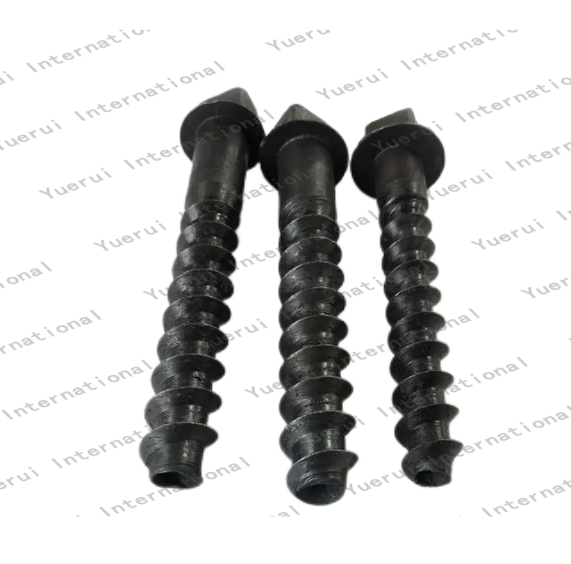
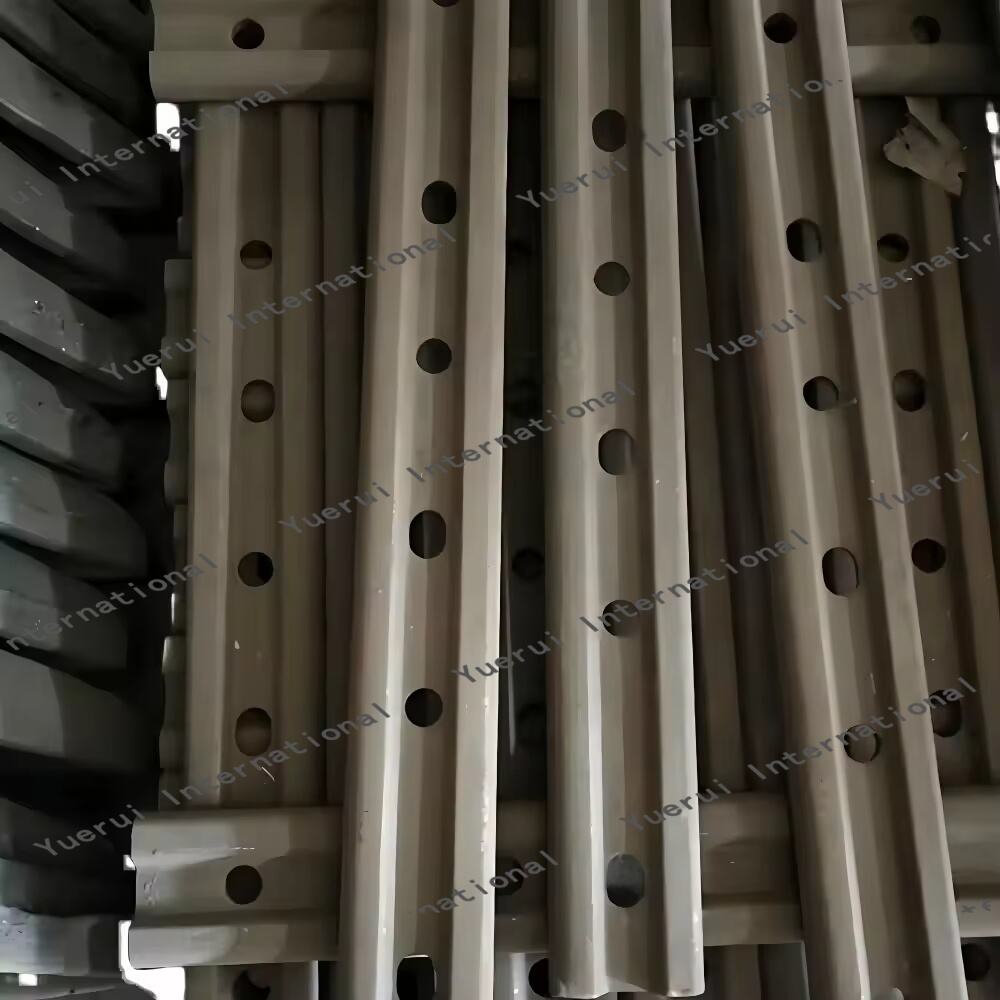
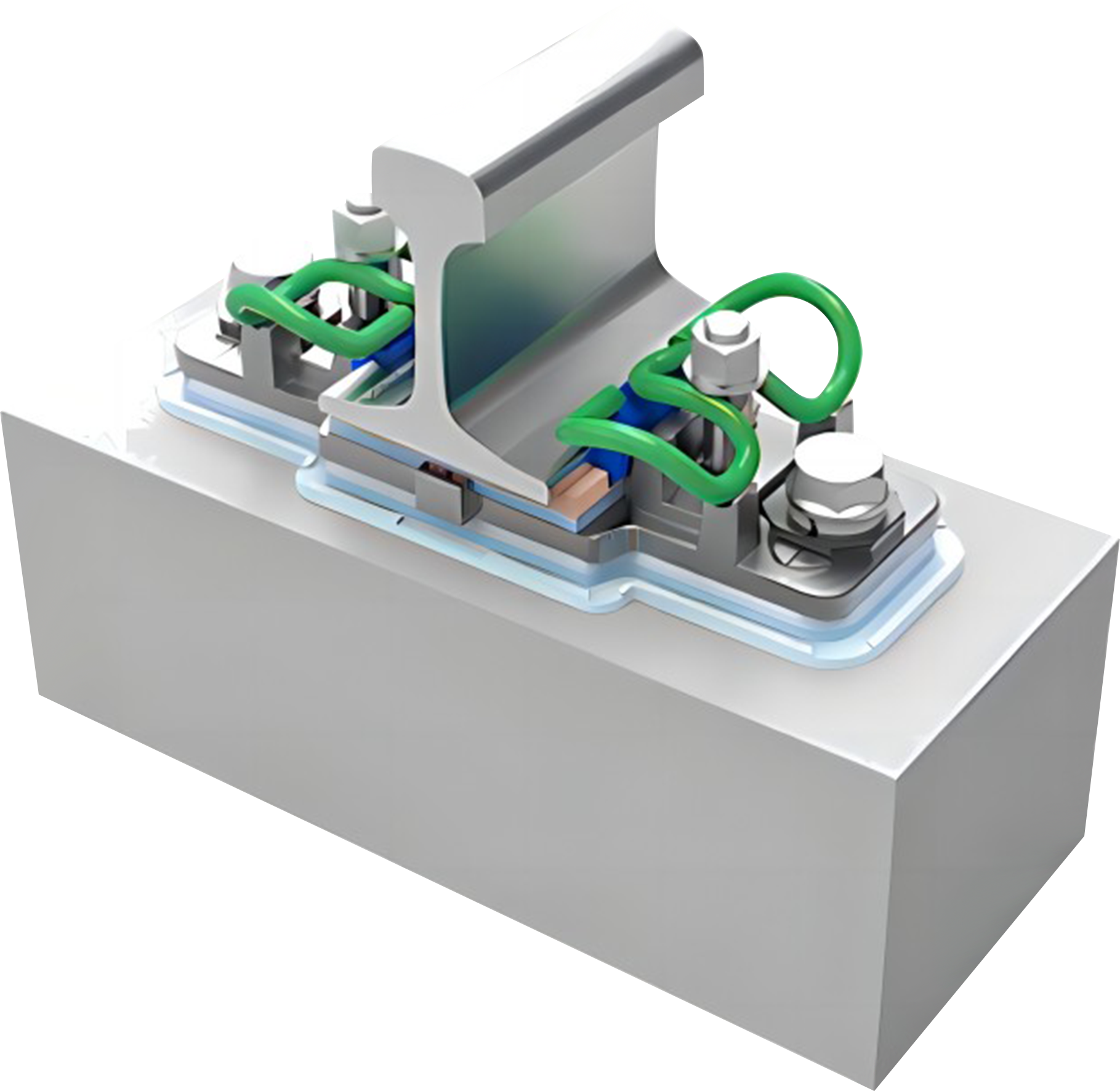
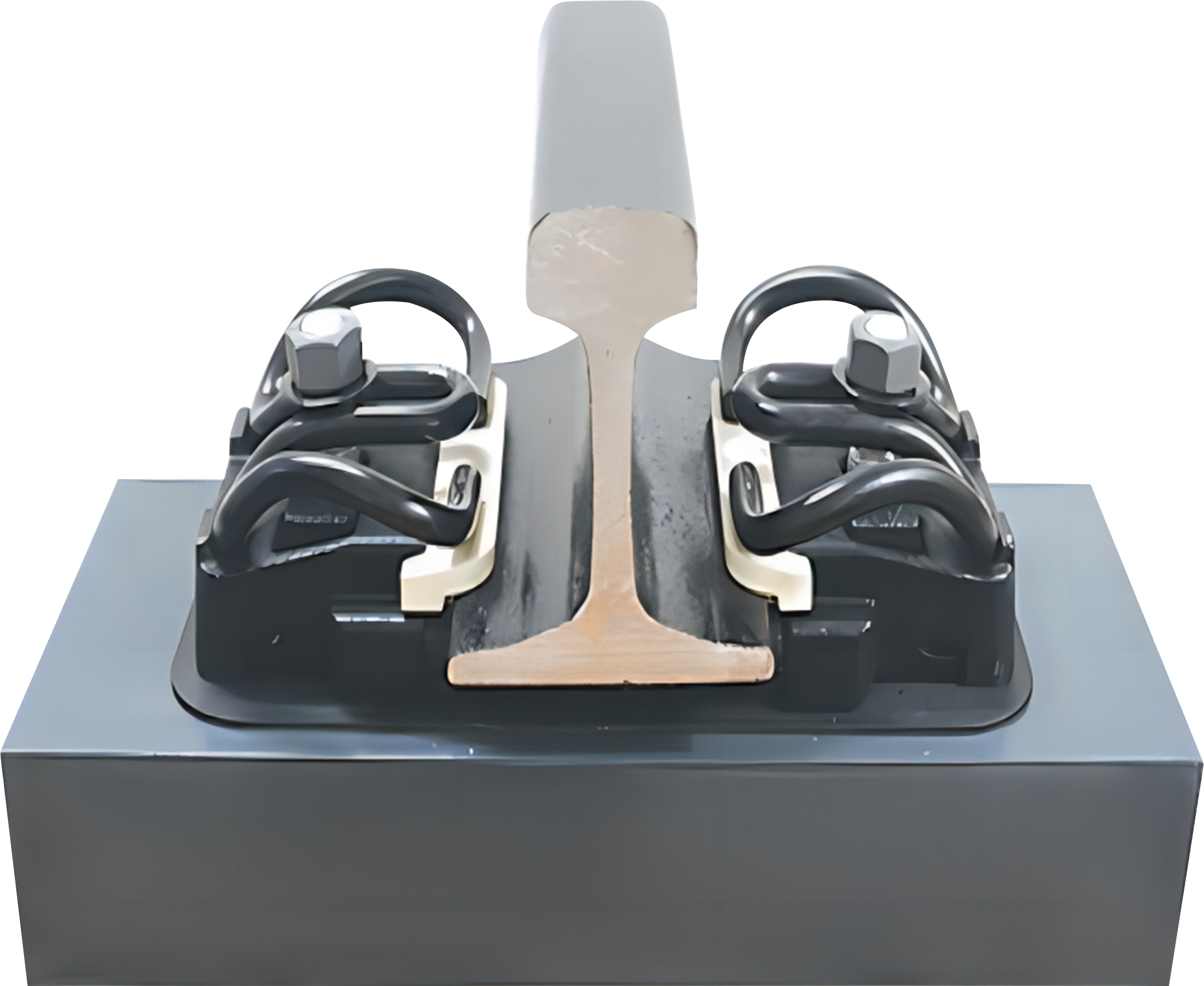
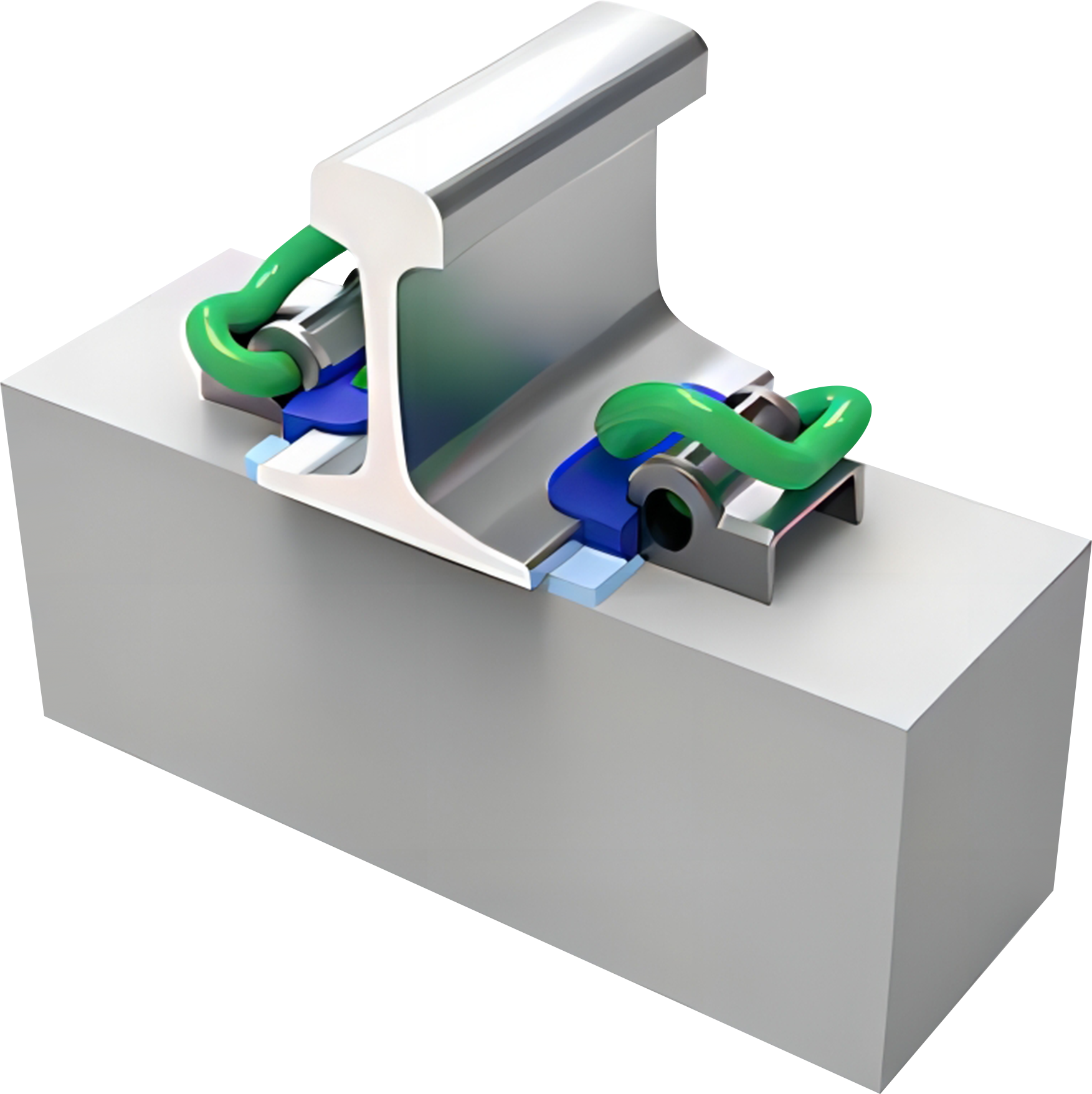
track fastener
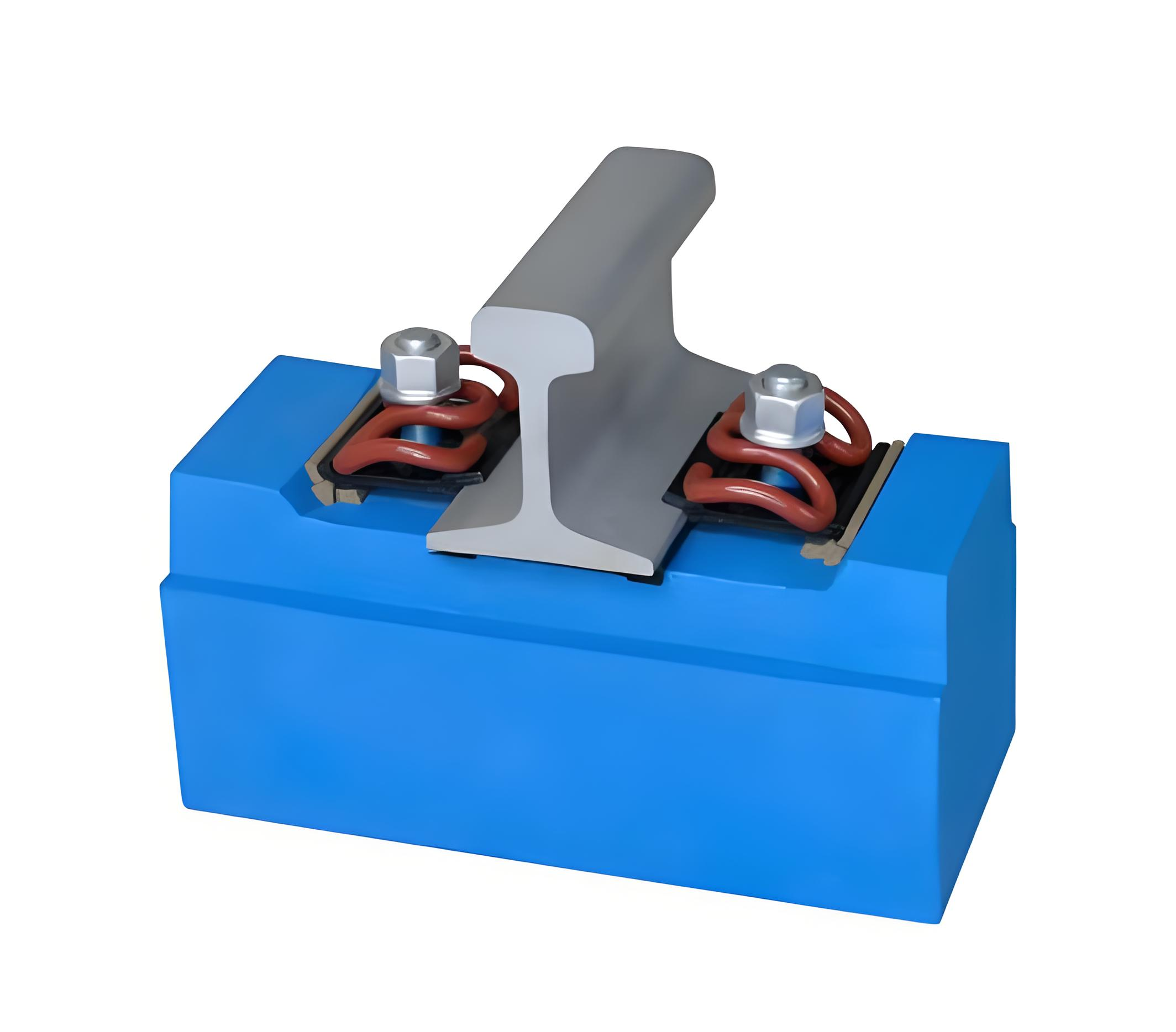
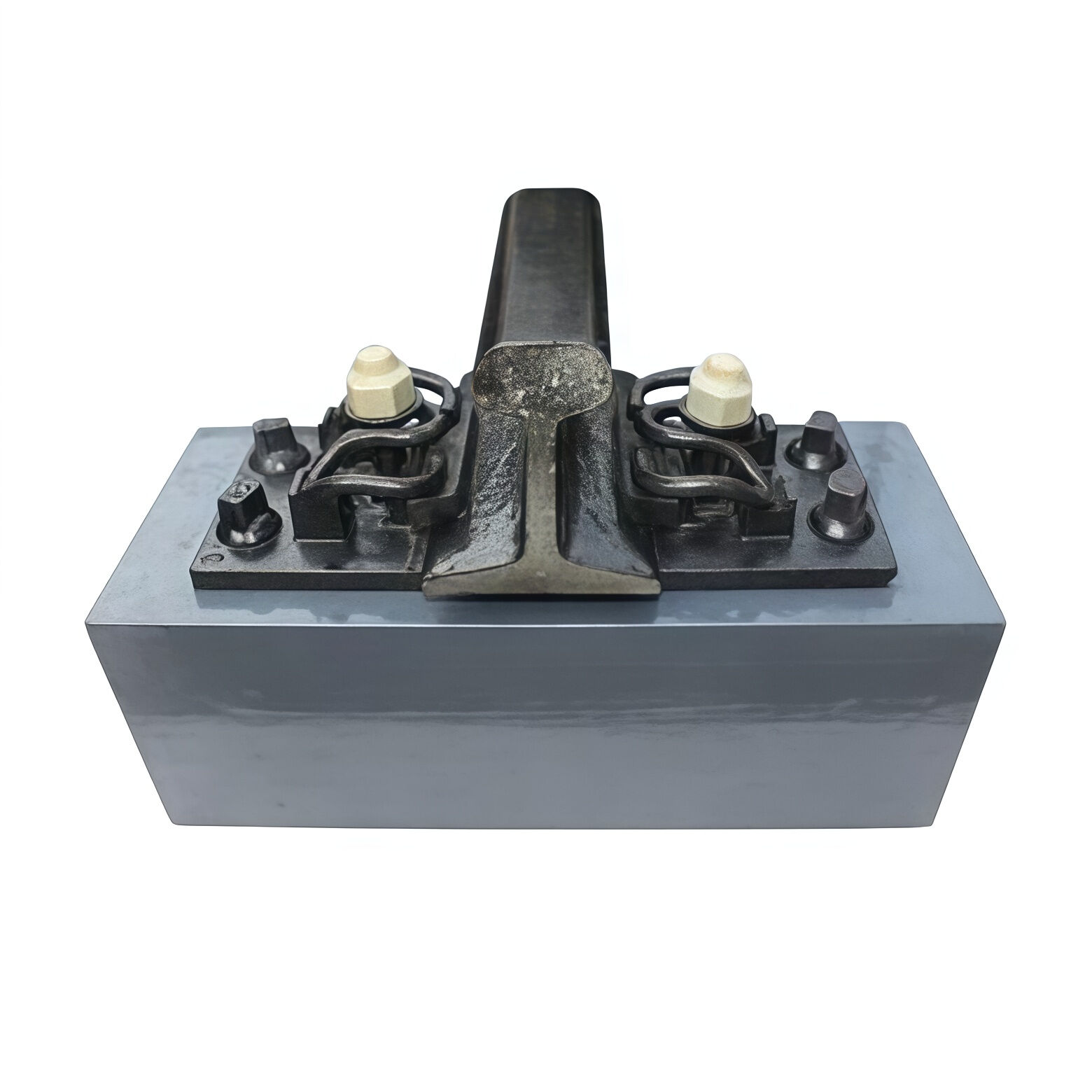
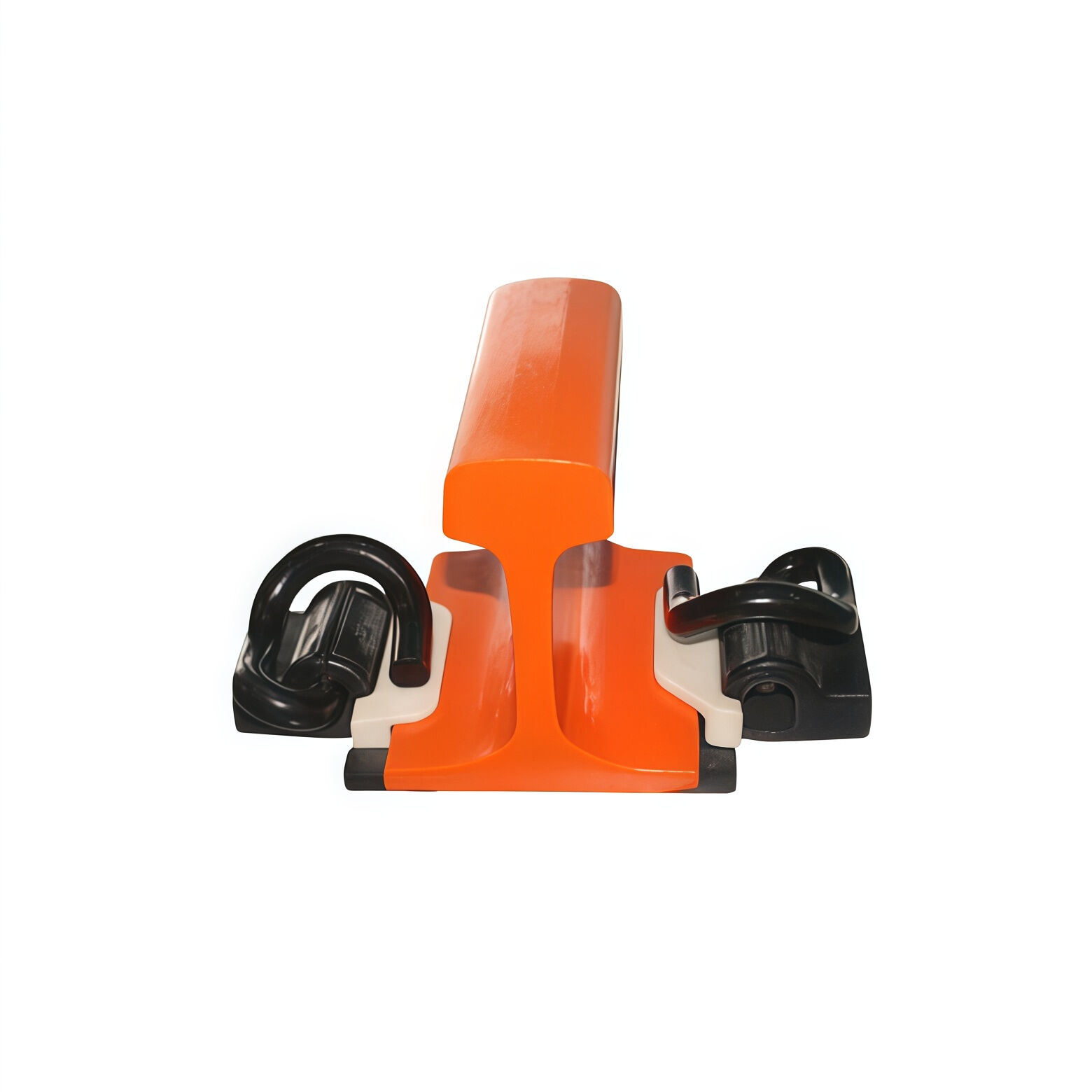
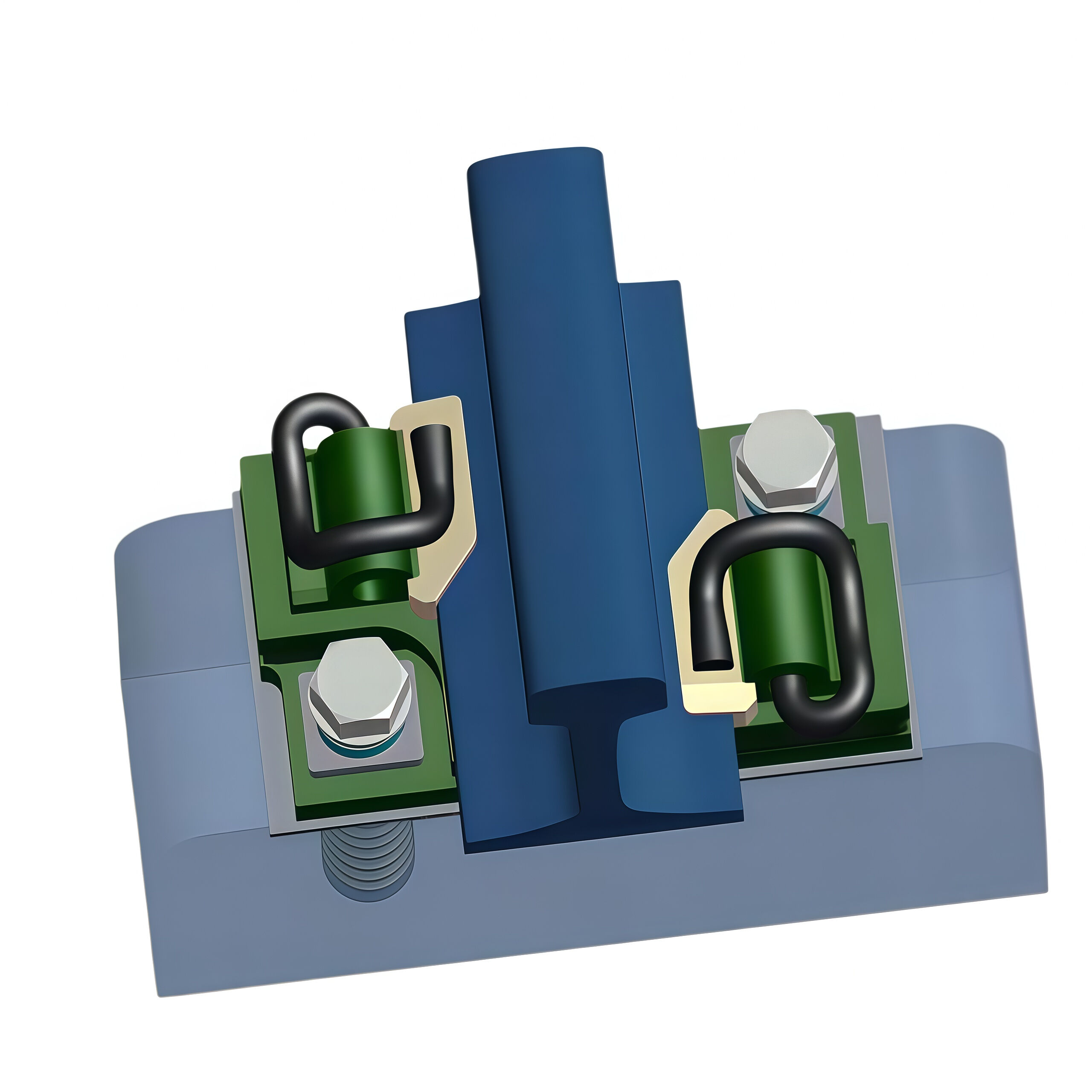
The track fastener represents a critical component in railway infrastructure, serving as the essential connection system that secures rails to railroad ties and maintains proper gauge alignment throughout the track system. This sophisticated mechanical device ensures the structural integrity of railway networks by preventing lateral rail movement, controlling gauge width, and distributing loads effectively across the track foundation. Modern track fastener systems incorporate advanced engineering principles to address the complex forces generated by high-speed trains, heavy freight loads, and environmental conditions. The primary function of a track fastener involves creating a secure, yet flexible connection between the rail and the underlying support structure, allowing for thermal expansion while maintaining precise positioning. These systems must withstand tremendous dynamic forces, including vertical loads from passing trains, lateral forces during cornering, and longitudinal forces during acceleration and braking. Contemporary track fastener designs utilize high-strength materials and precision manufacturing techniques to deliver consistent performance across millions of load cycles. The technological evolution of track fastener systems has led to the development of elastic fastening solutions that incorporate vibration dampening properties, reducing noise transmission and extending component lifespan. Advanced track fastener configurations feature corrosion-resistant coatings, specialized gaskets, and innovative clamping mechanisms that ensure reliable operation in diverse climatic conditions. The installation process for modern track fastener systems has been streamlined through standardized components and improved tooling, reducing maintenance requirements and installation time. Quality track fastener systems contribute significantly to overall railway safety by maintaining proper rail alignment, preventing track buckling, and ensuring smooth train operations across various speed ranges and load conditions.

 EN
EN