Premium Nylon Rail Pads - Advanced Railway Infrastructure Solutions for Superior Track Performance

All Categories

nylon rail pad

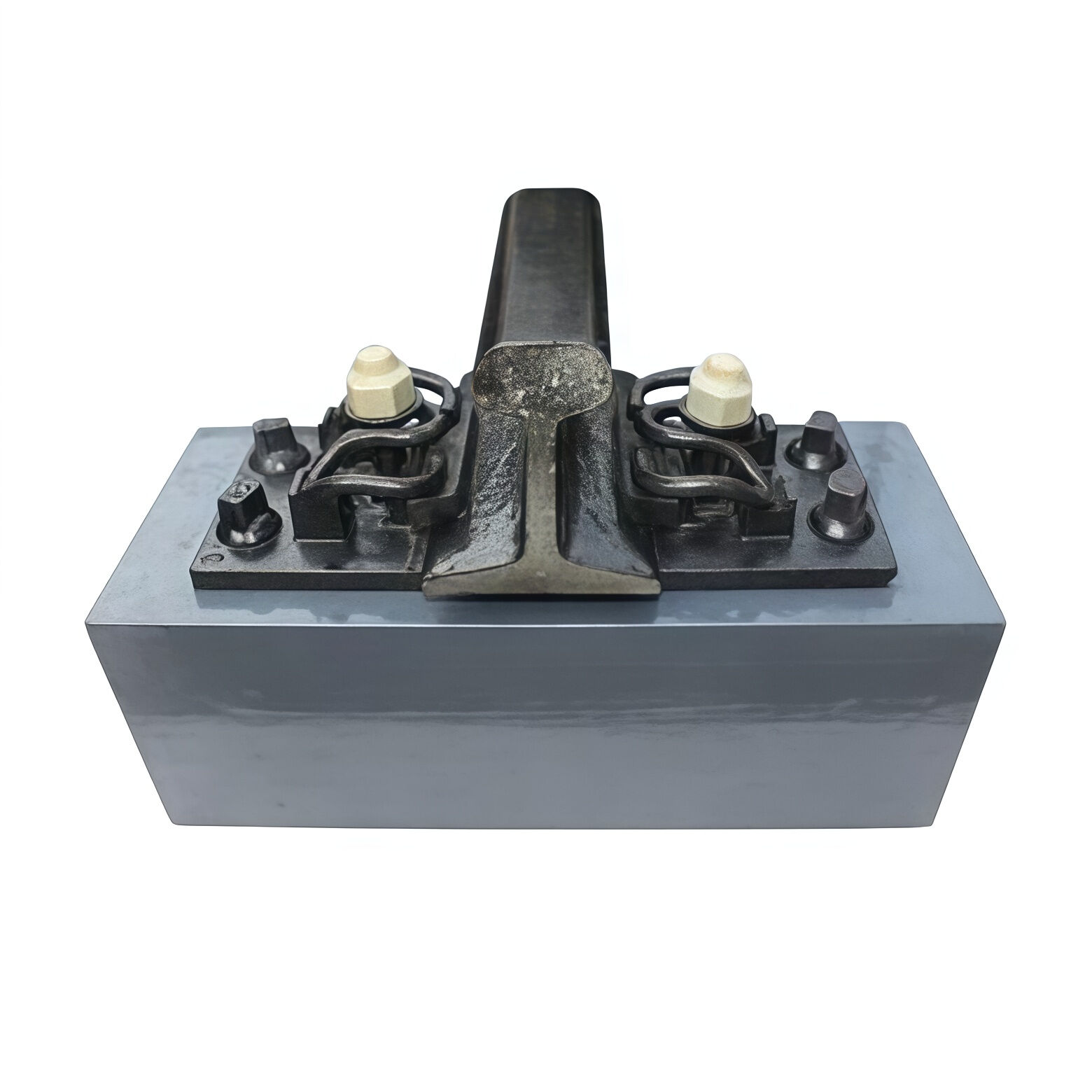
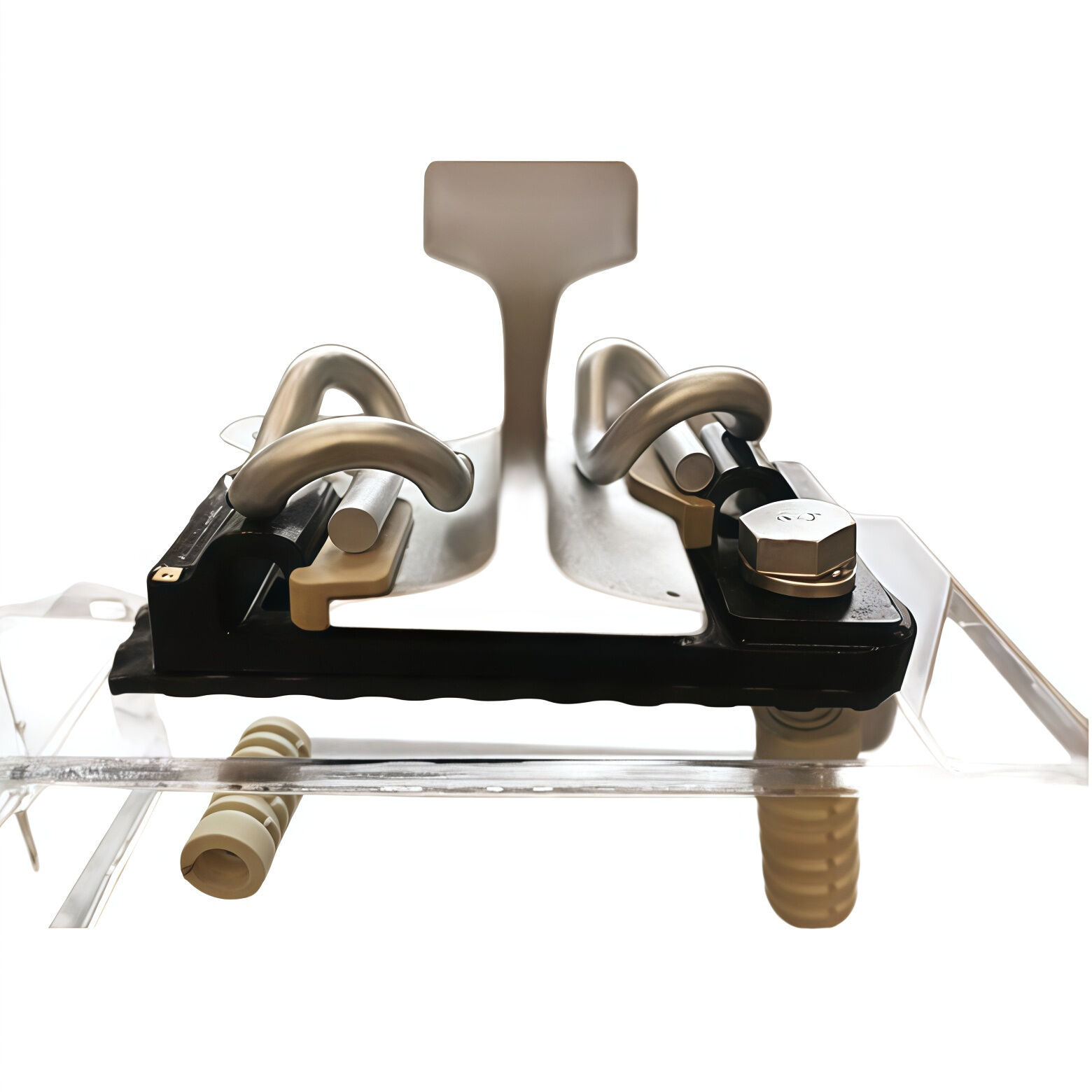
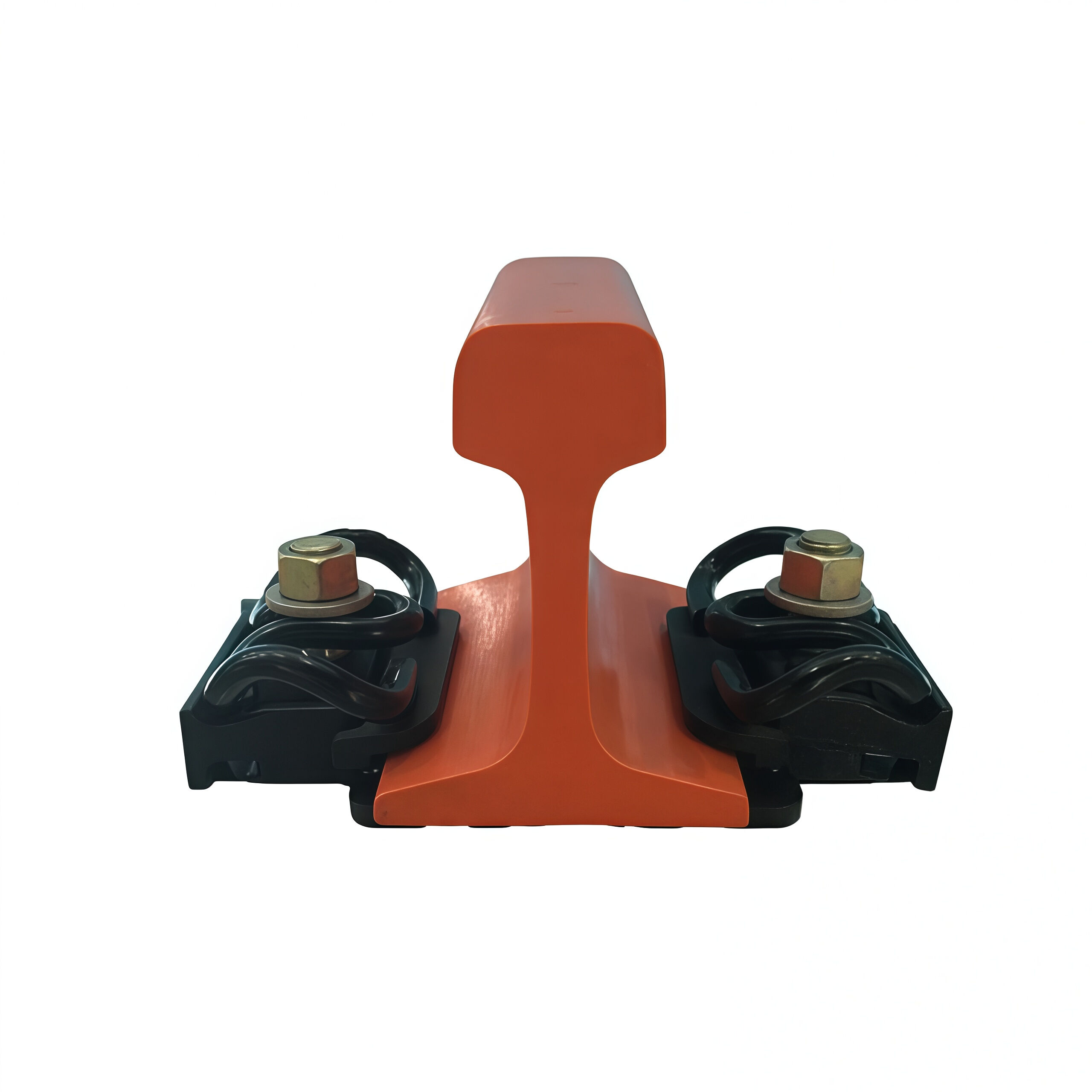
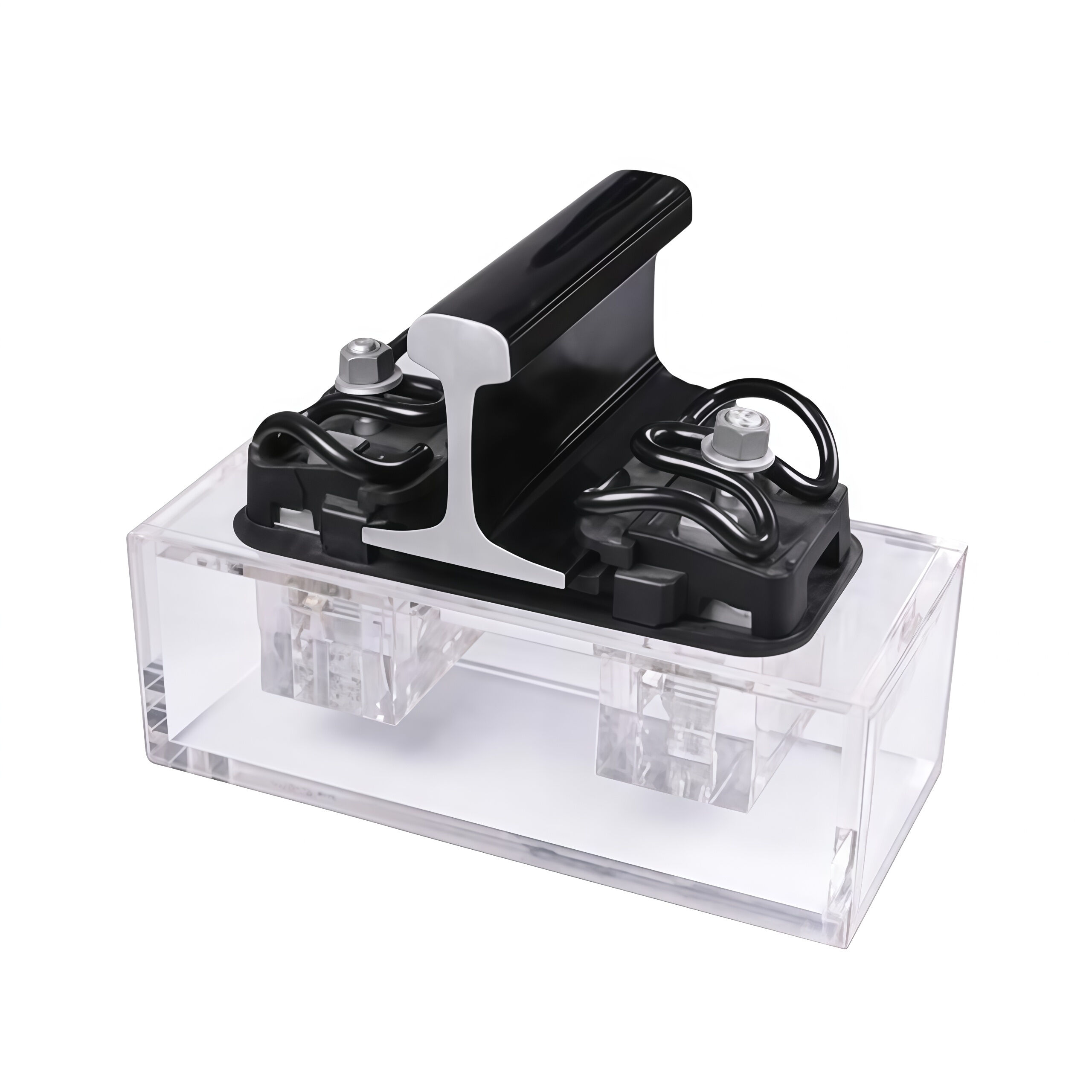
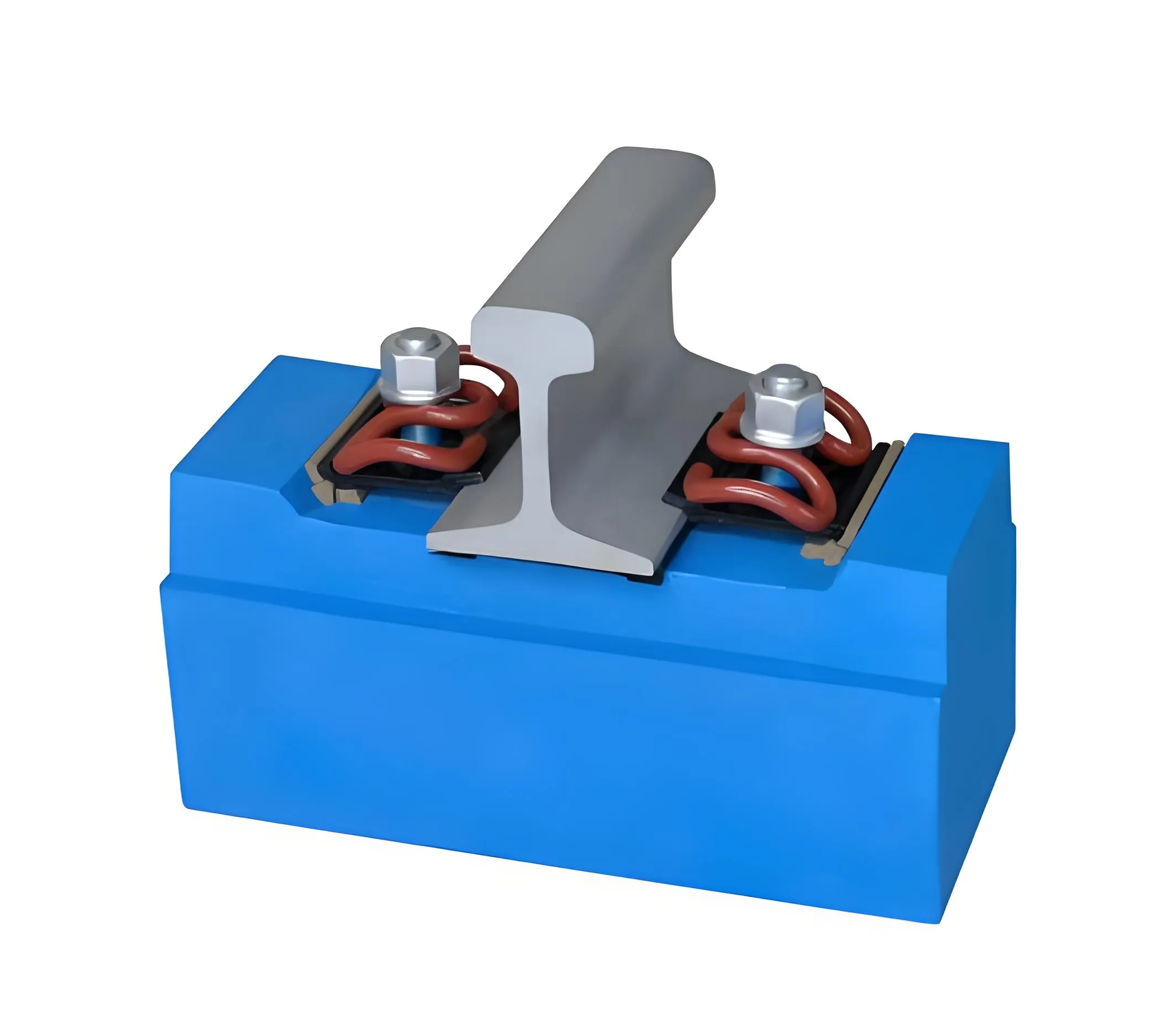
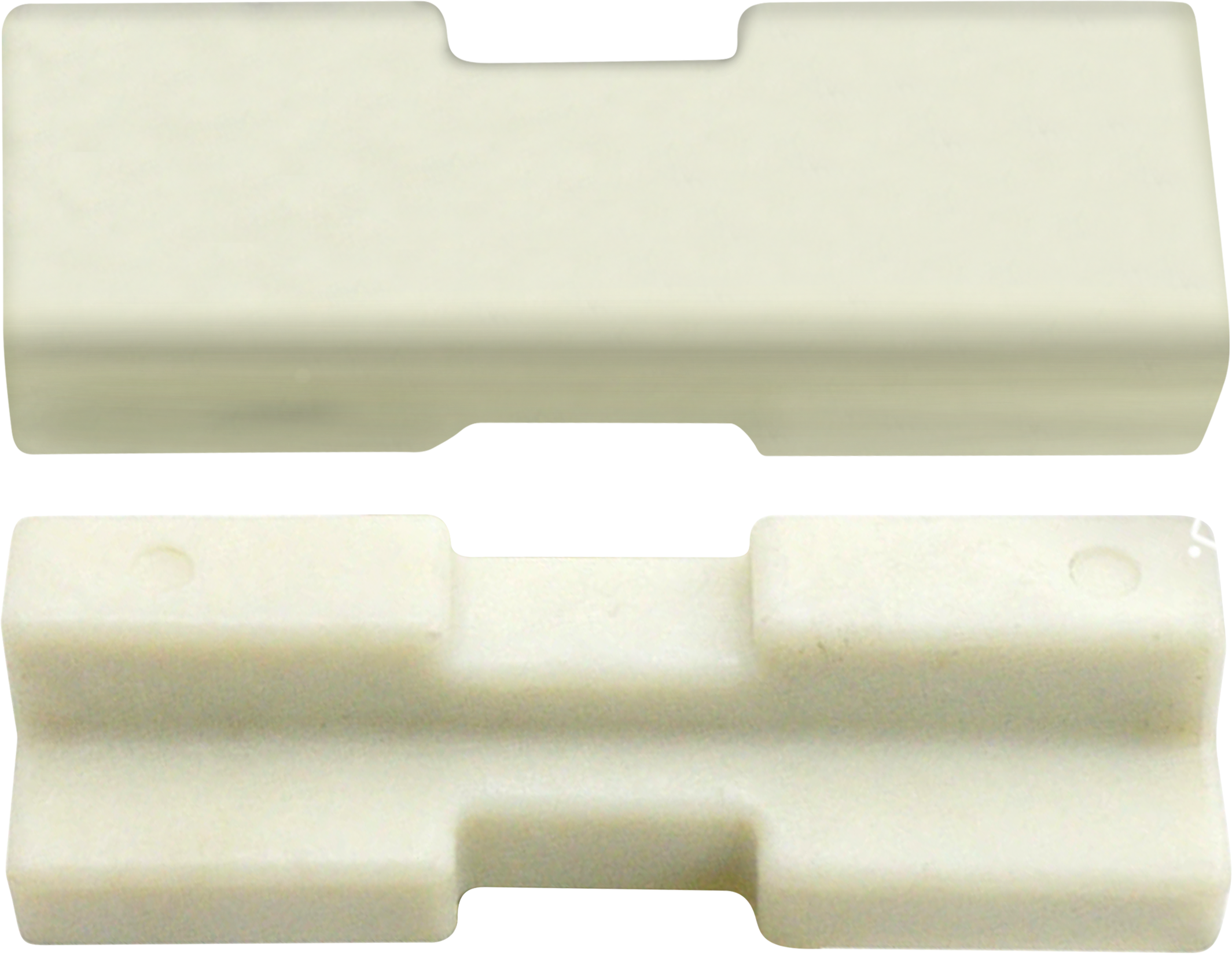
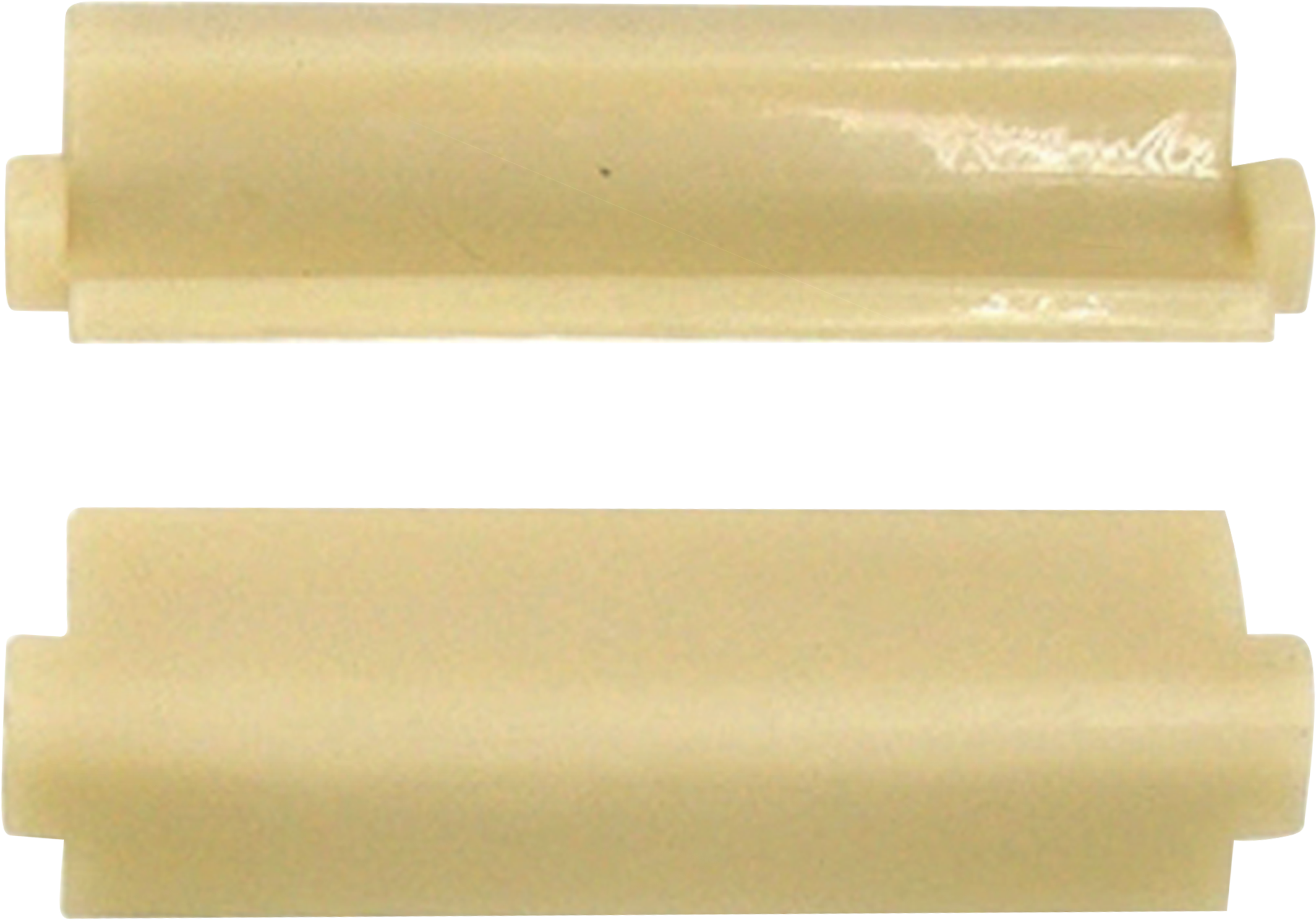
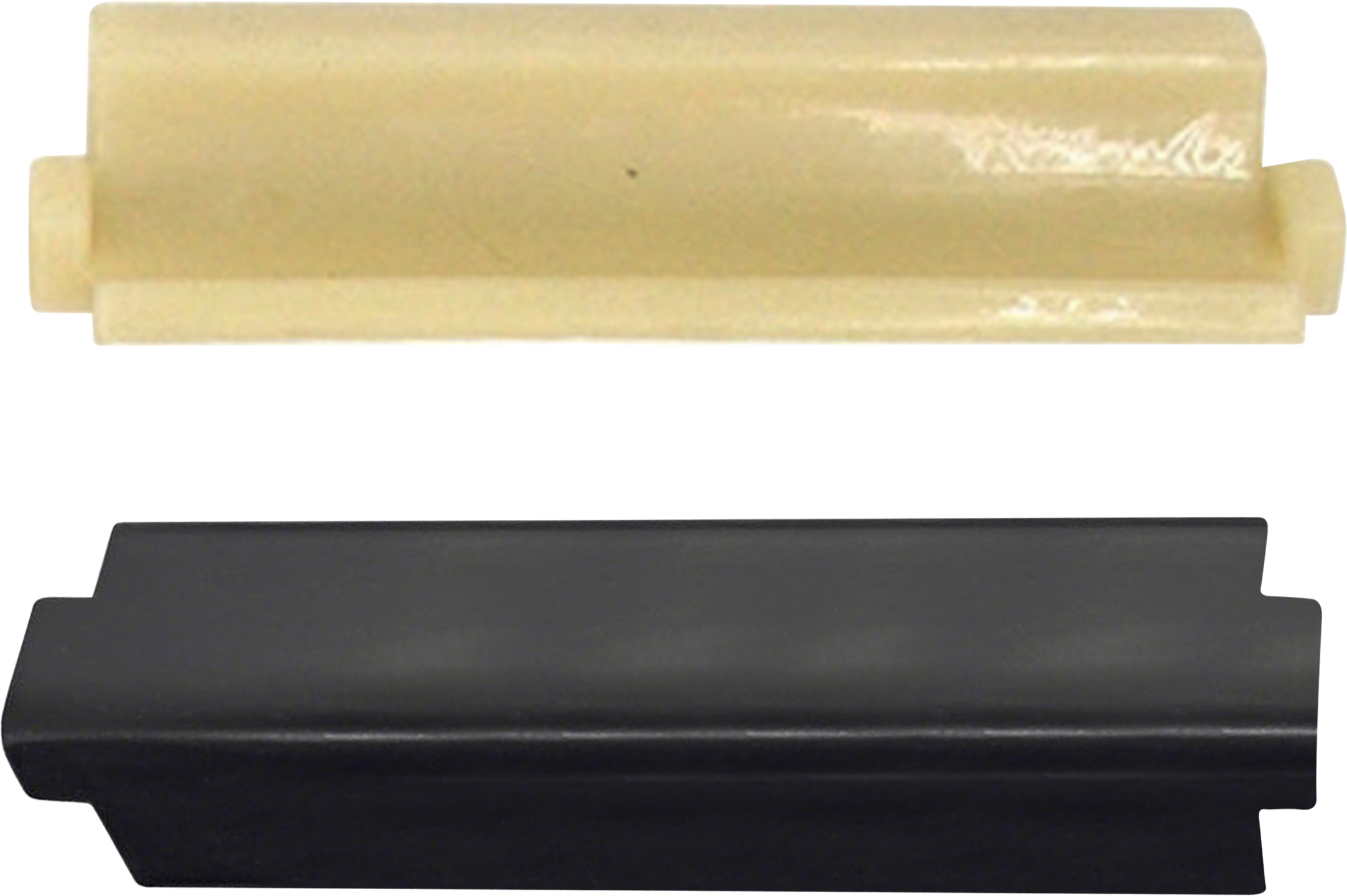
The nylon rail pad represents a revolutionary advancement in railway infrastructure technology, serving as a critical component between rail tracks and concrete sleepers or wooden ties. This specialized engineering solution has transformed modern railway systems by providing superior cushioning, vibration dampening, and load distribution capabilities. The nylon rail pad functions as an essential interface that absorbs dynamic forces generated by passing trains while maintaining optimal track geometry and stability. Its primary purpose involves protecting both the rail infrastructure and rolling stock from excessive wear, reducing maintenance costs, and enhancing overall operational safety. The technological foundation of the nylon rail pad relies on advanced polymer engineering, utilizing high-grade nylon materials that exhibit exceptional durability, weather resistance, and mechanical properties. These pads are manufactured through precision molding processes that ensure consistent thickness, uniform density, and optimal surface characteristics. The material composition typically includes reinforced nylon compounds that provide excellent fatigue resistance, enabling the pad to withstand millions of load cycles without significant degradation. Railway applications for nylon rail pads span across various transportation sectors, including high-speed passenger railways, freight corridors, urban transit systems, and light rail networks. The versatility of these components makes them suitable for different track configurations, from traditional ballasted tracks to modern slab track systems. Installation procedures are streamlined, requiring minimal specialized equipment while ensuring precise positioning between rail and supporting structure. The nylon rail pad contributes significantly to noise reduction in urban environments, making it an preferred choice for railway lines passing through residential areas. Environmental considerations have driven the development of recyclable nylon formulations, aligning with sustainability goals in transportation infrastructure. Performance characteristics include consistent elastic properties across temperature ranges, resistance to chemical exposure from railway environments, and maintenance of structural integrity under extreme loading conditions.


Popular Products

The nylon rail pad delivers remarkable cost-effectiveness by significantly reducing maintenance requirements and extending the service life of railway infrastructure components. Railway operators benefit from decreased replacement frequencies, as these pads maintain their performance characteristics for extended periods compared to traditional alternatives. The superior load distribution properties prevent localized stress concentrations that typically cause premature failure in concrete sleepers and steel rails. This enhanced load spreading capability translates directly into reduced infrastructure replacement costs and longer intervals between major track maintenance activities. Installation efficiency represents another substantial advantage, as nylon rail pads can be positioned quickly without requiring specialized adhesives or complex mounting procedures. Maintenance teams appreciate the straightforward replacement process, which minimizes track downtime and reduces operational disruptions. The lightweight nature of nylon materials simplifies handling and transportation, reducing labor costs and improving workplace safety during installation and maintenance operations. Weather resistance stands out as a critical benefit, enabling consistent performance across diverse climatic conditions without degradation from moisture, temperature fluctuations, or ultraviolet exposure. The nylon rail pad maintains its elastic properties in extreme cold while resisting deformation in high-temperature environments, ensuring reliable performance year-round. Vibration dampening capabilities provide dual benefits by protecting sensitive electronic equipment installed along railway corridors and reducing noise transmission to surrounding communities. This acoustic performance makes nylon rail pads particularly valuable for urban railway applications where noise pollution concerns are paramount. The chemical inertness of nylon materials prevents corrosion issues that plague metal components, eliminating the need for protective coatings and associated maintenance procedures. Dimensional stability ensures consistent track geometry over time, reducing the frequency of track alignment adjustments and maintaining optimal ride quality for passengers and cargo. The recyclable nature of nylon materials supports environmental sustainability initiatives while providing end-of-life value recovery. Quality consistency during manufacturing processes ensures predictable performance characteristics, enabling accurate engineering calculations and reliable system design. The nylon rail pad also provides excellent electrical insulation properties, supporting signaling system integrity and preventing electrical interference between track circuits.

Practical Tips

Why Rail Contractors Prefer Forged Railroad Dog Spikes

24

Nov

Why Rail Contractors Prefer Forged Railroad Dog Spikes

Railroad construction and maintenance projects demand precision, durability, and unwavering reliability in every component used. Among the critical fastening elements that secure rails to railroad ties, forged railroad dog spikes have emerged as the ...
View More
How to Prevent Corrosion and Damage in Rail Spikes Over Time

24

Nov

How to Prevent Corrosion and Damage in Rail Spikes Over Time

Railway infrastructure forms the backbone of modern transportation systems, carrying millions of tons of cargo and passengers across vast distances daily. Among the critical components that ensure track stability and safety, rail spikes play an indis...
View More
How to select rail anchors for high-speed vs conventional rail lines?

20

Apr

How to select rail anchors for high-speed vs conventional rail lines?

Selecting the appropriate rail anchors for different railway applications requires understanding the fundamental differences between high-speed and conventional rail systems. Rail anchors serve as critical components that secure rails to sleepers and...
View More
What types of track pins are used in modular railway components?

20

Apr

What types of track pins are used in modular railway components?

Modular railway systems rely on precise mechanical connections to ensure safe and efficient train operations, with track pins serving as fundamental fastening components that secure rails to various supporting structures. These specialized pins come ...
View More

Get a Free Quote

Our representative will contact you soon.
Email
Name
Company Name
Message
0/1000

nylon rail pad

Superior Vibration Dampening and Noise Control Technology

Superior Vibration Dampening and Noise Control Technology

The nylon rail pad incorporates advanced vibration dampening technology that revolutionizes railway noise control and infrastructure protection. This sophisticated engineering approach utilizes the inherent viscoelastic properties of specially formulated nylon compounds to absorb and dissipate dynamic energy generated by train operations. The molecular structure of the nylon material creates a controlled energy absorption mechanism that effectively reduces vibration transmission from rail to supporting infrastructure. This dampening effect operates across a broad frequency spectrum, addressing both low-frequency structural vibrations and higher-frequency noise components that contribute to environmental noise pollution. The nylon rail pad achieves vibration reduction levels of up to 15 decibels compared to direct rail-to-sleeper contact, making it an essential component for railway lines in noise-sensitive areas. Urban transit authorities particularly value this capability when designing routes through residential neighborhoods, commercial districts, or near hospitals and educational facilities. The vibration control technology extends beyond noise reduction to provide significant protection for track infrastructure components. By absorbing impact forces and distributing loads more evenly, the nylon rail pad prevents fatigue cracking in concrete sleepers and reduces wear on rail surfaces. This protection mechanism translates into substantial cost savings through extended component lifespans and reduced maintenance interventions. The dampening properties remain consistent throughout the product lifecycle, ensuring reliable performance without degradation from repeated loading cycles. Advanced testing protocols verify vibration performance under various operating conditions, including different train speeds, axle loads, and environmental temperatures. The nylon rail pad technology also contributes to improved passenger comfort by reducing transmitted vibrations that can cause discomfort during travel. This enhanced ride quality becomes particularly important for high-speed railway applications where passenger experience directly impacts ridership and revenue generation.
Exceptional Durability and Weather Resistance Performance

Exceptional Durability and Weather Resistance Performance

The nylon rail pad demonstrates outstanding durability characteristics that establish new standards for railway component longevity and performance reliability. Through advanced polymer engineering, these pads resist environmental degradation that typically affects infrastructure materials, maintaining structural integrity across decades of service life. The molecular composition includes stabilizing additives that prevent ultraviolet radiation damage, moisture absorption, and thermal cycling effects that compromise lesser materials. Extensive field testing has demonstrated service lives exceeding twenty years without significant performance degradation, representing exceptional value for railway infrastructure investments. The weather resistance capabilities of the nylon rail pad enable reliable operation in extreme climatic conditions, from arctic environments with temperatures below negative forty degrees Celsius to desert regions experiencing temperatures above sixty degrees Celsius. This thermal stability ensures consistent elastic properties regardless of seasonal variations, preventing the brittleness associated with cold weather or the softening that occurs in excessive heat. Moisture resistance prevents water absorption that could lead to dimensional changes or freeze-thaw damage in cold climates. The nylon material maintains its mechanical properties despite prolonged exposure to rain, snow, humidity, and groundwater conditions commonly encountered in railway environments. Chemical resistance protects against degradation from railway operational fluids, including lubricants, cleaning agents, and de-icing compounds that regularly contact track infrastructure. The nylon rail pad withstands exposure to diesel fuel, hydraulic fluids, and other petroleum-based substances without swelling, cracking, or loss of mechanical properties. Fatigue resistance testing confirms the ability to withstand millions of loading cycles without crack initiation or propagation, ensuring reliable performance throughout the design service life. The durability characteristics reduce lifecycle costs by minimizing replacement frequency and associated labor expenses. Quality assurance protocols include accelerated aging tests that simulate decades of environmental exposure to validate long-term performance predictions. This comprehensive durability performance makes the nylon rail pad an ideal solution for critical railway applications where reliability and longevity are paramount considerations.
Optimal Load Distribution and Track Geometry Maintenance

Optimal Load Distribution and Track Geometry Maintenance

The nylon rail pad excels in providing optimal load distribution that preserves track geometry and enhances overall railway system performance through sophisticated engineering principles. The material properties create a controlled interface between rail and supporting structure that distributes concentrated wheel loads across a broader contact area, preventing localized stress concentrations that cause infrastructure damage. This load distribution mechanism operates through the controlled compression characteristics of the nylon material, which deforms under load to spread forces more evenly across the sleeper contact surface. The elastic modulus of the nylon rail pad is precisely engineered to provide appropriate stiffness for load transfer while maintaining sufficient flexibility for dynamic response to passing trains. This balanced approach prevents both excessive rail deflection that could cause alignment problems and rigid contact that would create impact loading conditions. Track geometry stability benefits significantly from the consistent support characteristics provided by nylon rail pads throughout their service life. Unlike materials that exhibit creep or permanent deformation under sustained loading, the nylon formulation maintains dimensional stability that preserves intended track geometry parameters. This stability reduces the frequency of track alignment maintenance activities and ensures optimal vehicle-track interaction for safe operations. The load distribution properties become particularly critical in high-speed railway applications where precise track geometry directly affects vehicle stability and passenger safety. Rail wear reduction represents another significant benefit of optimal load distribution, as more uniform contact pressures prevent the concentrated wear patterns that necessitate frequent rail replacement. The nylon rail pad helps maintain consistent rail profile geometry, extending rail service life and reducing infrastructure replacement costs. Dynamic load distribution capabilities accommodate the varying forces generated by different vehicle types, from lightweight passenger cars to heavily loaded freight wagons. The material response characteristics adapt to different loading conditions while maintaining consistent support properties. Quality control during manufacturing ensures uniform load distribution properties across production batches, providing predictable performance for track design calculations. Advanced finite element analysis validates the load distribution performance under various operating scenarios, confirming optimal stress patterns throughout the rail-sleeper interface system.

Get a Free Quote

Our representative will contact you soon.
Email
Name
Company Name
Message
0/1000