Advanced Rail Fastening Systems - Superior Track Security and Durability Solutions

All Categories

rail fastening system

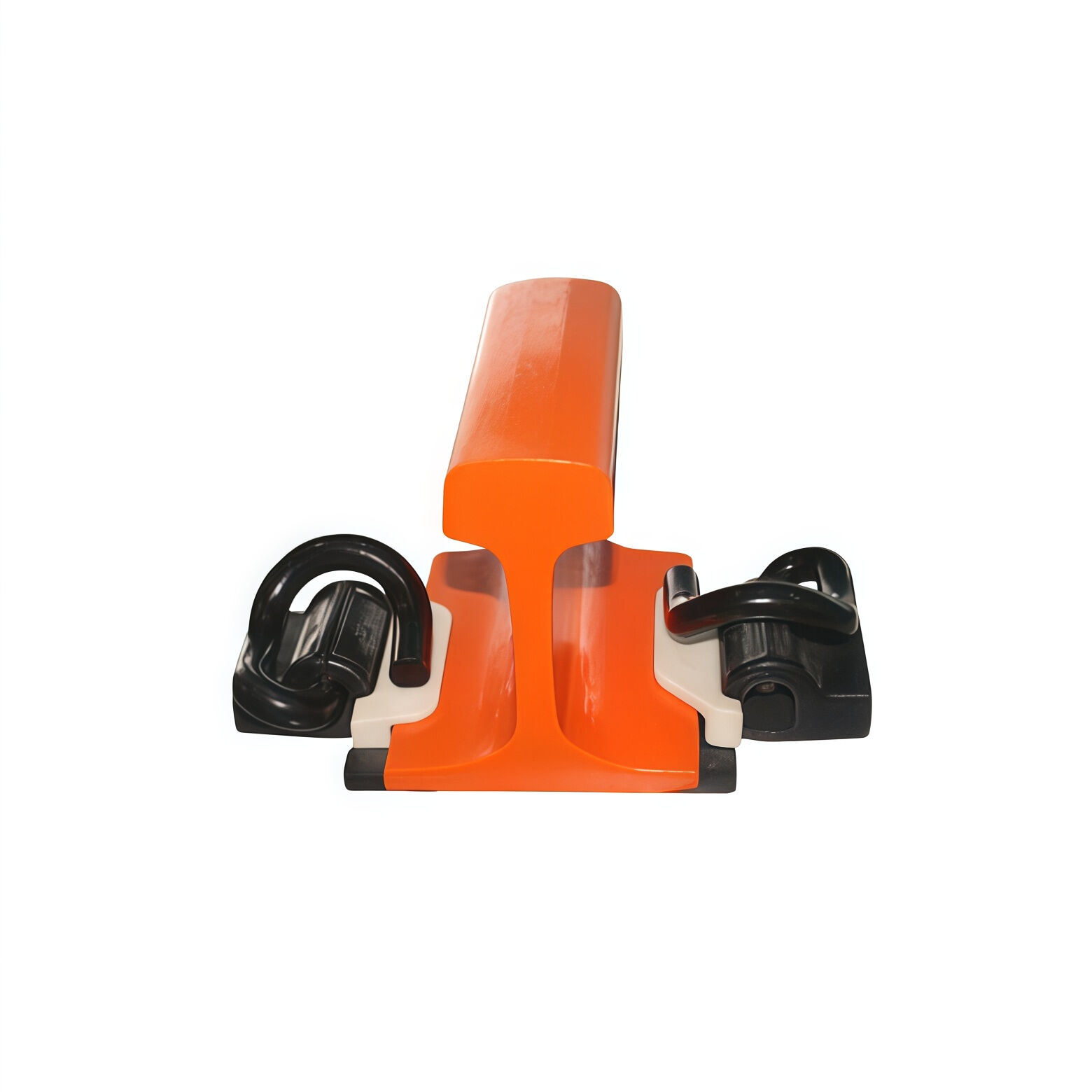
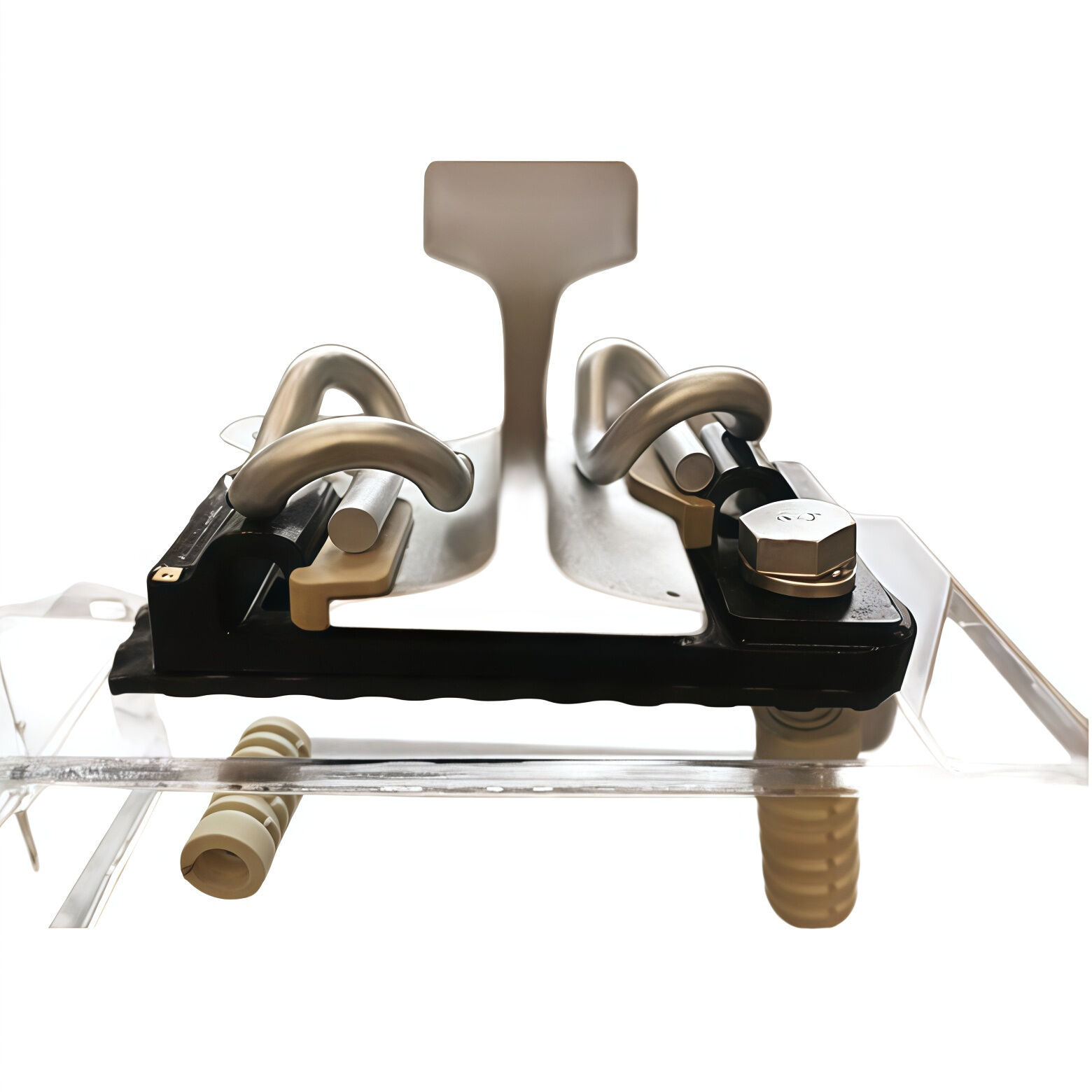
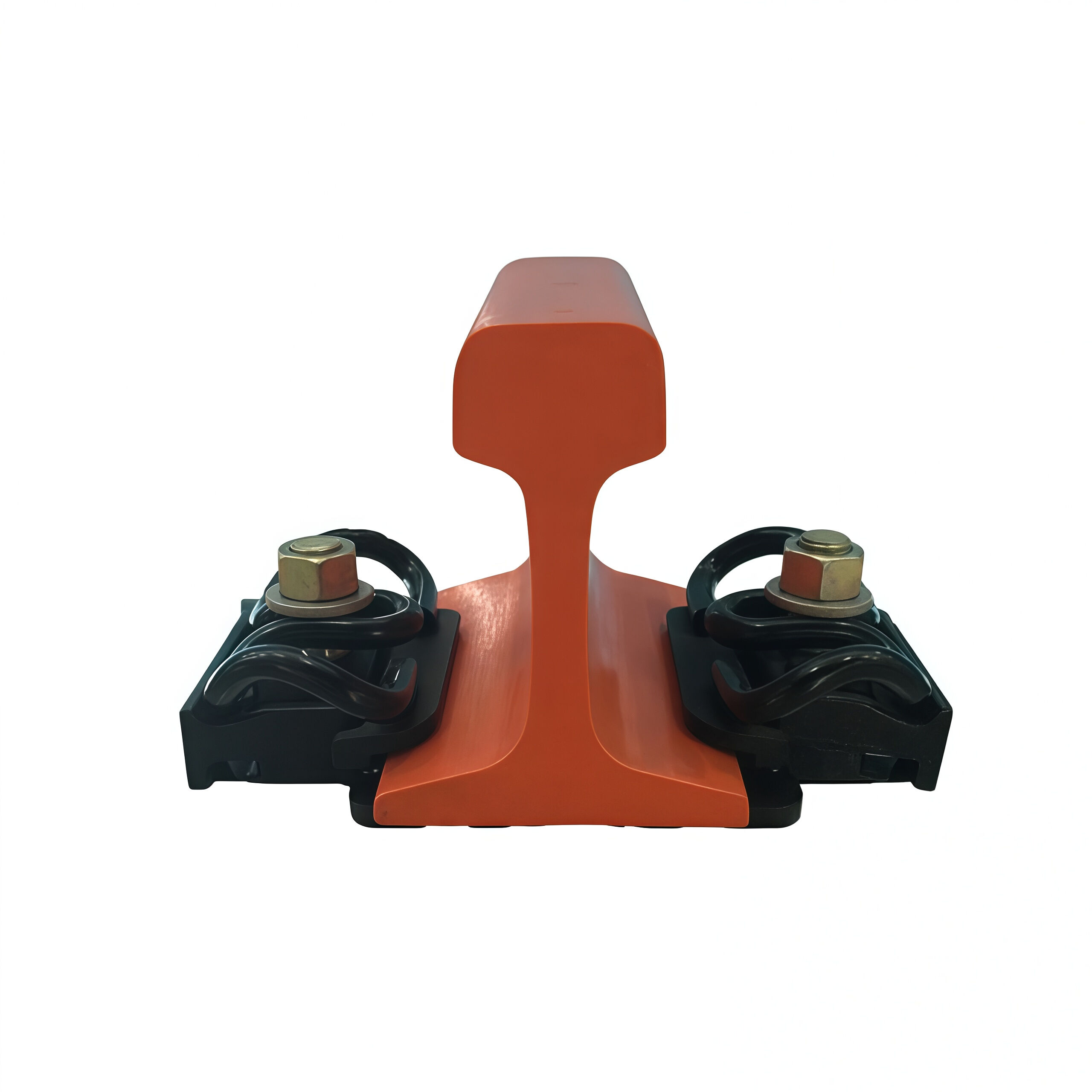
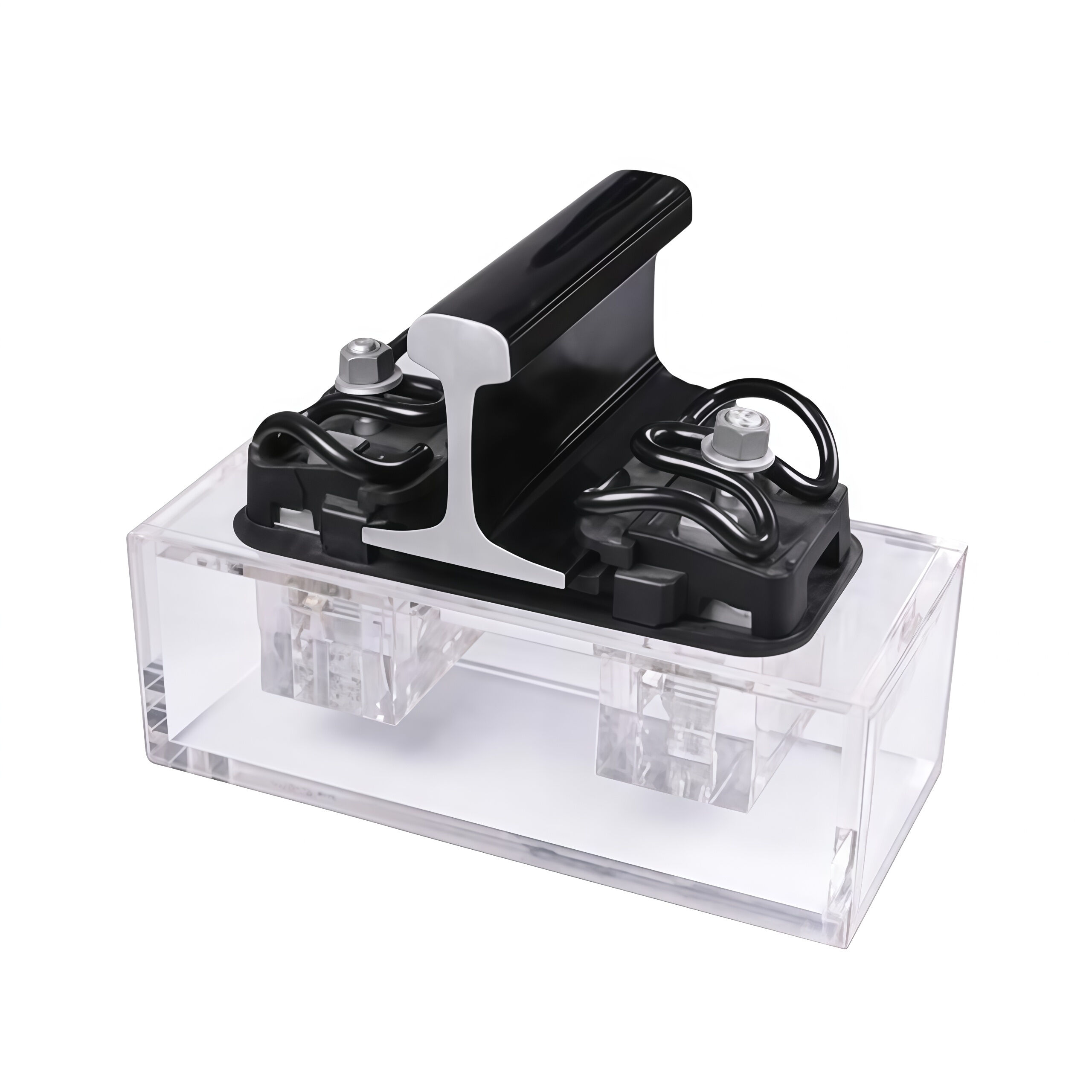
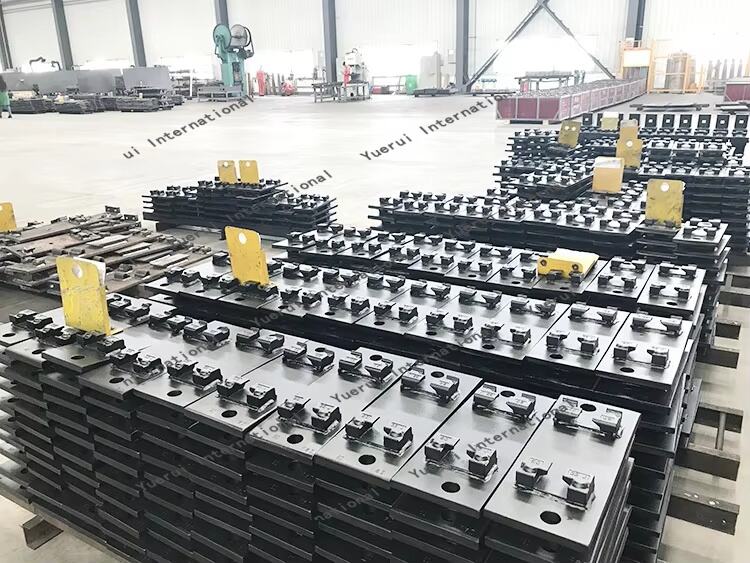
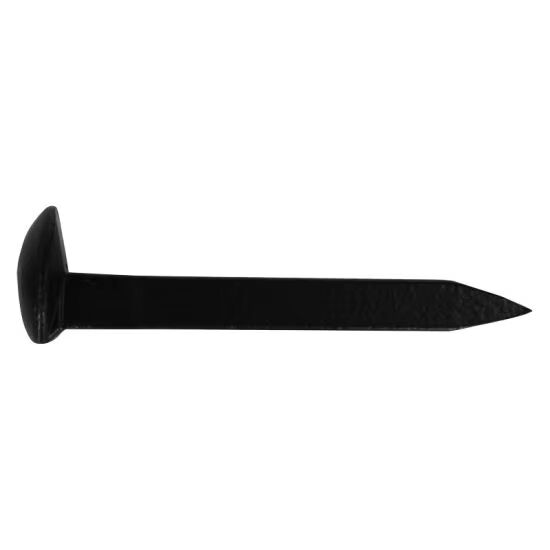
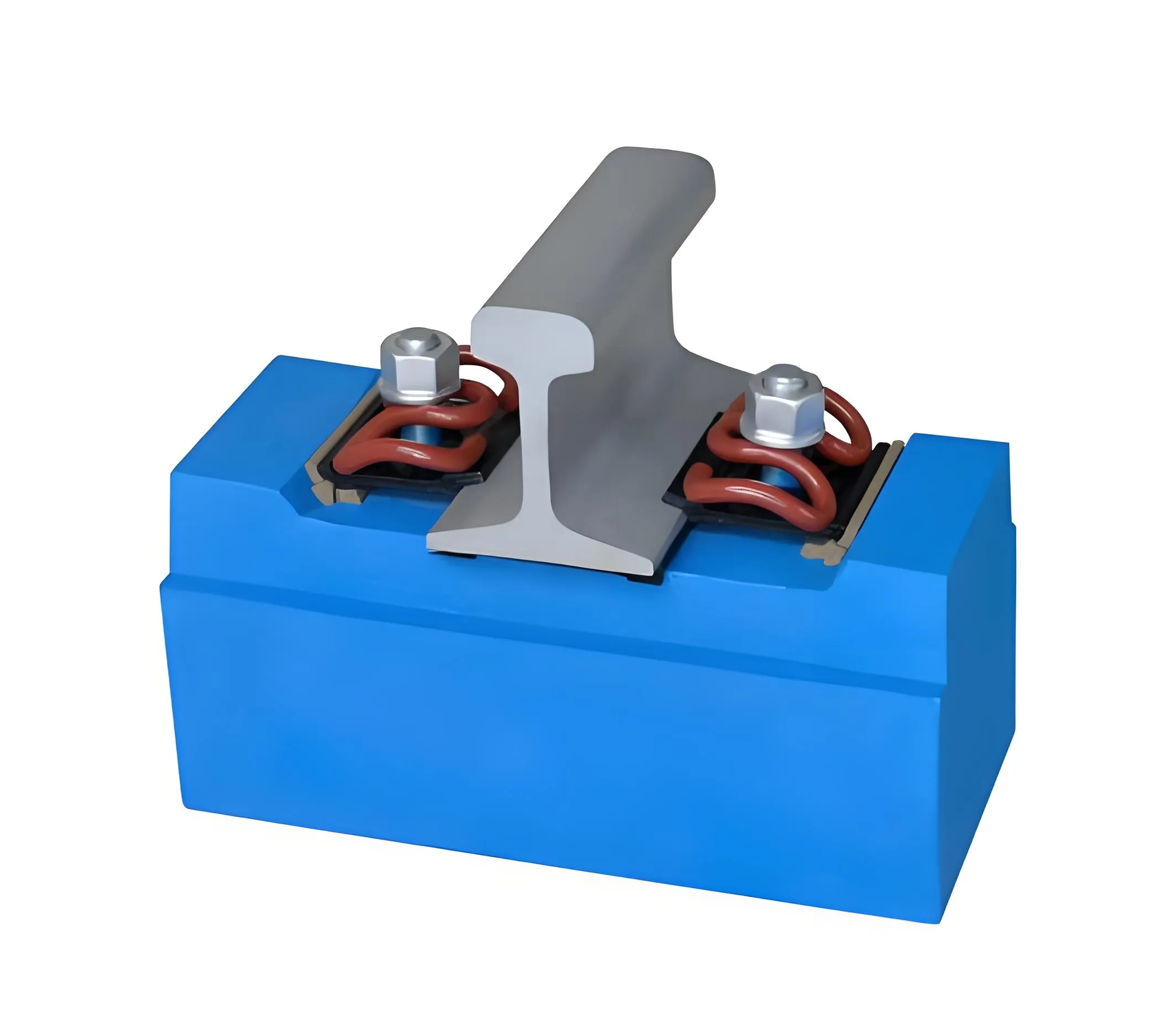
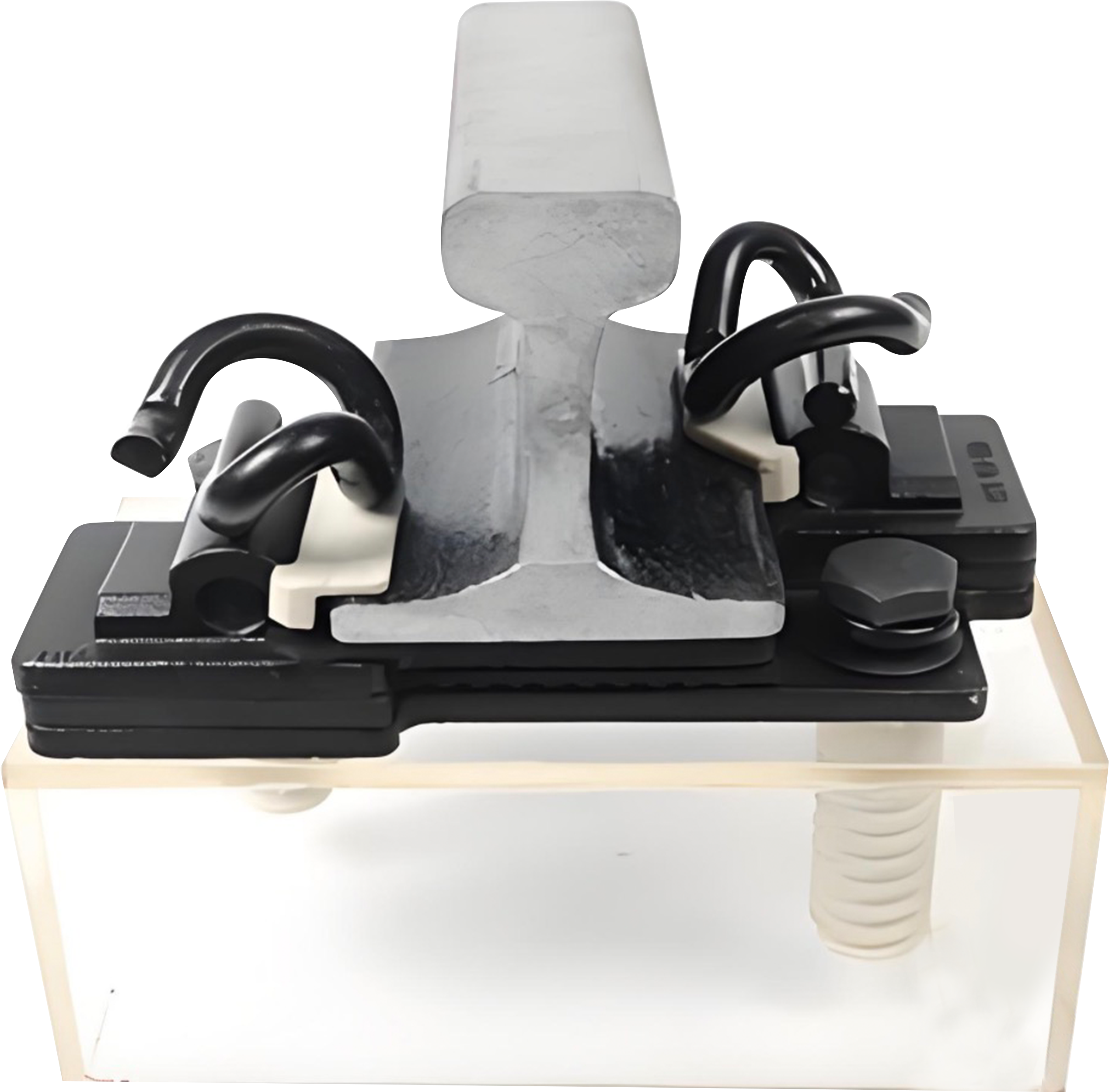
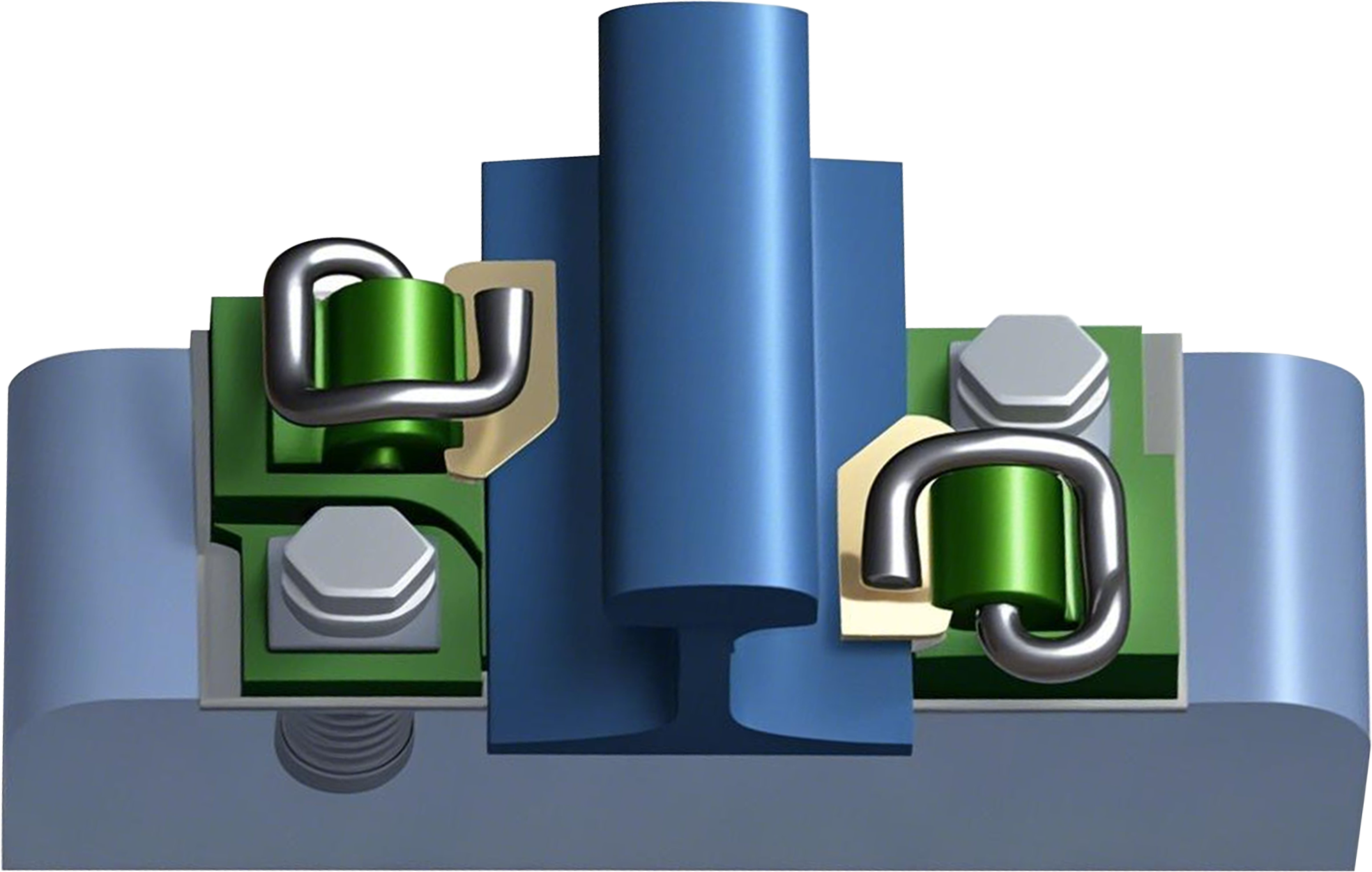
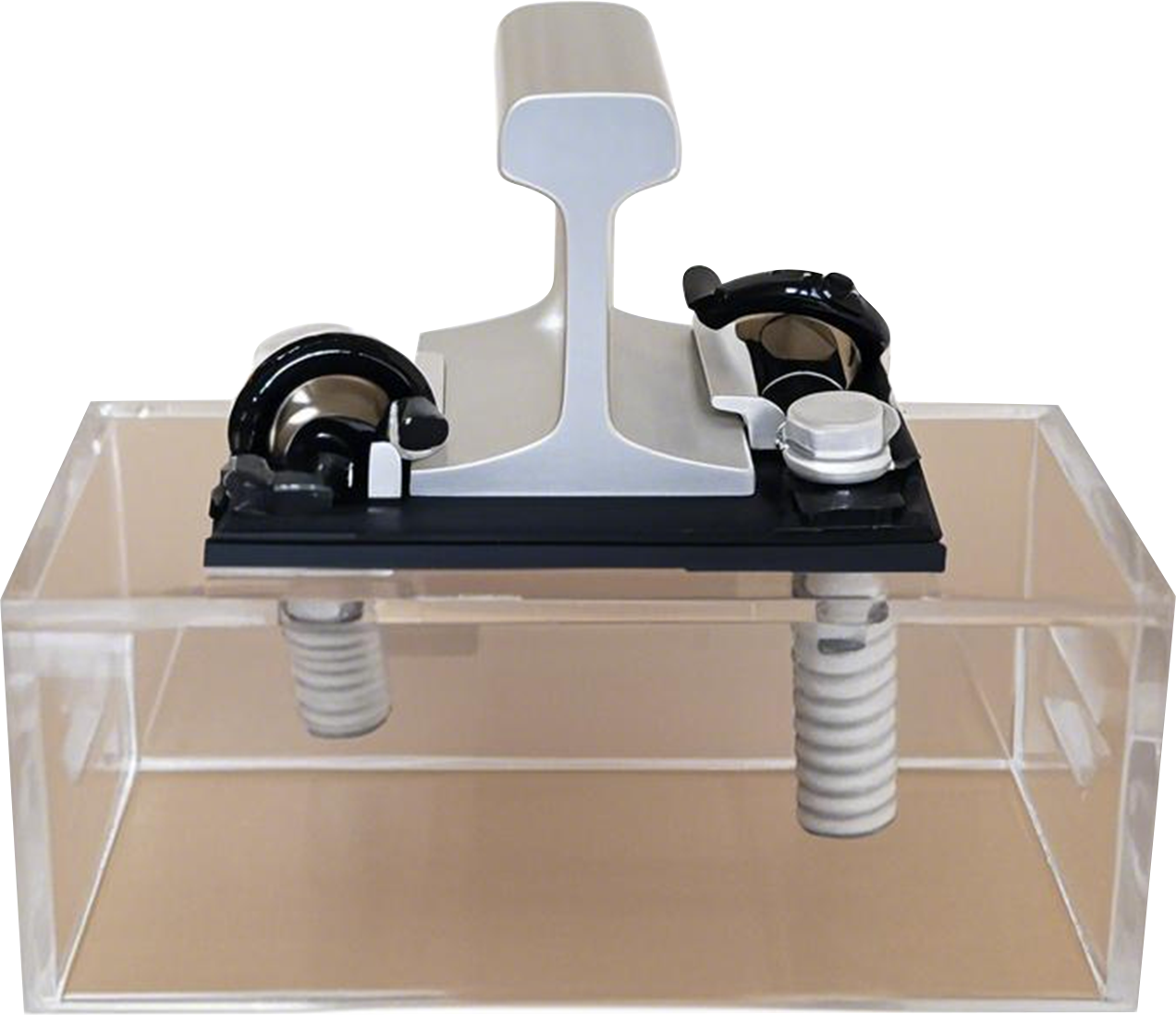
A rail fastening system serves as the critical connection mechanism that secures railway tracks to their supporting infrastructure, ensuring safe and efficient train operations across global transportation networks. This essential component maintains proper track alignment while accommodating the dynamic forces generated by moving trains. The primary functions of a rail fastening system include securing rails to sleepers or concrete slabs, maintaining correct gauge width between parallel tracks, and providing electrical insulation where required. Modern rail fastening systems incorporate advanced engineering principles to withstand extreme weather conditions, heavy loads, and continuous vibrations from passing trains. The technological features of contemporary rail fastening systems encompass corrosion-resistant materials, precise torque specifications, and modular designs that facilitate maintenance and replacement procedures. These systems typically consist of rail clips, base plates, bolts, washers, and insulation pads that work together to create a robust connection. The engineering behind rail fastening systems focuses on distributing loads evenly across the supporting structure while allowing controlled movement that prevents stress fractures. Applications for rail fastening systems span various railway environments, including high-speed passenger lines, heavy freight corridors, urban transit systems, and industrial railways. Each application requires specific performance characteristics tailored to operational demands, environmental conditions, and safety requirements. The versatility of modern rail fastening systems enables their deployment in diverse geographic locations, from arctic regions to tropical climates, while maintaining structural integrity and operational reliability throughout extended service periods.

Popular Products

Rail fastening systems deliver numerous practical benefits that directly impact operational efficiency and cost management for railway operators. These systems significantly reduce maintenance requirements through their durable construction and reliable performance characteristics. The advanced materials used in modern rail fastening systems resist corrosion and wear, extending service life and minimizing replacement frequency. This durability translates into lower long-term costs and reduced track downtime for maintenance activities. Installation efficiency represents another major advantage, as contemporary rail fastening systems feature simplified assembly procedures that accelerate construction schedules and reduce labor costs. The standardized components ensure consistent installation quality while accommodating various track configurations and operational requirements. Safety enhancements provided by modern rail fastening systems include improved track stability and reduced derailment risks through secure rail-to-sleeper connections. These systems maintain precise track geometry under dynamic loading conditions, ensuring smooth train operations and passenger comfort. The electrical insulation properties of many rail fastening systems support signaling and communication systems while preventing stray current issues that could damage infrastructure. Load distribution capabilities ensure that forces from train wheels spread evenly across the supporting structure, preventing localized damage and extending overall track life. Environmental benefits include reduced noise levels through vibration dampening properties and compatibility with sustainable construction practices. Modern rail fastening systems accommodate thermal expansion and contraction without compromising structural integrity, making them suitable for extreme temperature variations. The modular design of contemporary systems enables selective component replacement without disturbing adjacent track sections, minimizing service disruptions. Quality control measures in manufacturing ensure consistent performance across all system components, providing predictable behavior under operational conditions. Cost-effectiveness emerges through reduced lifecycle expenses, including lower installation costs, decreased maintenance requirements, and extended service intervals that maximize return on infrastructure investments.

Practical Tips

How Do Baseplates Contribute to Efficient Railway Turnout Installation?

18

Dec

How Do Baseplates Contribute to Efficient Railway Turnout Installation?

Railway infrastructure demands precision, durability, and efficiency at every level, particularly when it comes to critical components like turnouts. Railway turnout baseplates serve as fundamental elements that ensure proper track alignment, load di...
View More
How Do Dog Spikes Affect Track Alignment and Train Safety?

18

Dec

How Do Dog Spikes Affect Track Alignment and Train Safety?

Railway infrastructure depends on countless components working in harmony to ensure safe and efficient train operations. Among these critical elements, the dog spike stands as one of the most fundamental yet often overlooked fastening systems that se...
View More
How to maintain correct track gauge in high-speed rail lines?

20

Apr

How to maintain correct track gauge in high-speed rail lines?

Maintaining correct track gauge is the cornerstone of safe and efficient high-speed rail operations, where even millimeter deviations can trigger catastrophic derailments at operational speeds exceeding 300 km/h. The precision required for track gaug...
View More
How to select rail anchors for high-speed vs conventional rail lines?

20

Apr

How to select rail anchors for high-speed vs conventional rail lines?

Selecting the appropriate rail anchors for different railway applications requires understanding the fundamental differences between high-speed and conventional rail systems. Rail anchors serve as critical components that secure rails to sleepers and...
View More

Get a Free Quote

Our representative will contact you soon.
Email
Name
Company Name
Message
0/1000

rail fastening system

Superior Load Distribution Technology

Superior Load Distribution Technology

The exceptional load distribution technology integrated into modern rail fastening systems represents a breakthrough in railway engineering that transforms how dynamic forces transfer from trains to track infrastructure. This sophisticated technology employs precisely engineered contact surfaces and strategically positioned components that spread concentrated wheel loads across wider areas of the supporting structure. The rail fastening system achieves this through innovative base plate designs that feature optimized contact patterns and carefully calculated load paths. Advanced finite element analysis guides the development of these load distribution mechanisms, ensuring optimal force transfer characteristics under various operational scenarios. The technology accommodates both static loads from stationary trains and dynamic loads from moving traffic, including the complex force patterns generated during acceleration, braking, and cornering maneuvers. This comprehensive load management prevents localized stress concentrations that traditionally cause premature wear and structural damage in railway infrastructure. The load distribution technology within the rail fastening system extends beyond simple force spreading to include vibration dampening properties that reduce wear on both rails and supporting elements. Strategic material selection and geometric optimization create controlled flexibility that absorbs impact forces while maintaining structural integrity. This technology proves particularly valuable in heavy freight applications where individual cars may exceed 125 tons, generating substantial concentrated loads at wheel-rail contact points. The uniform load distribution achieved by advanced rail fastening systems prevents ballast degradation and subgrade settlement that commonly plague railway networks. Environmental benefits emerge through reduced maintenance requirements and extended component lifespans that minimize resource consumption and waste generation. The technology adapts to various track configurations, from traditional ballasted track to modern slab track systems, providing consistent performance across diverse railway applications. Quality assurance protocols ensure that load distribution characteristics remain stable throughout the service life of the rail fastening system, delivering predictable performance that supports reliable train operations.
Enhanced Durability and Weather Resistance

Enhanced Durability and Weather Resistance

The enhanced durability and weather resistance characteristics of advanced rail fastening systems establish new benchmarks for railway infrastructure longevity and performance reliability across diverse environmental conditions. This comprehensive protection system begins with carefully selected materials that demonstrate exceptional resistance to corrosion, ultraviolet radiation, temperature extremes, and chemical exposure from environmental contaminants. The rail fastening system incorporates multiple protective layers, including specialized coatings, galvanization processes, and inherently resistant base materials that work together to prevent degradation over extended service periods. Advanced metallurgy techniques produce components with superior mechanical properties that maintain strength and flexibility despite continuous exposure to harsh operating conditions. The weather resistance features protect against moisture infiltration, freeze-thaw cycles, and thermal expansion stresses that commonly compromise railway infrastructure integrity. Salt spray resistance proves critical for coastal railway installations where corrosive marine environments accelerate material degradation in conventional systems. The rail fastening system design accommodates extreme temperature variations without compromising performance, maintaining secure connections from arctic conditions exceeding minus 40 degrees to desert environments surpassing 50 degrees Celsius. UV stabilization prevents polymer degradation in system components exposed to intense solar radiation, ensuring long-term mechanical properties remain stable. The durability engineering extends to fatigue resistance under cyclic loading conditions that simulate millions of train passages over the component service life. Advanced testing protocols validate performance under accelerated aging conditions that replicate decades of real-world exposure in compressed timeframes. Maintenance intervals extend significantly due to enhanced durability characteristics, reducing operational disruptions and lifecycle costs for railway operators. The weather resistance features enable deployment in challenging environments previously requiring frequent component replacement or specialized maintenance procedures. Quality control measures ensure consistent durability performance across production batches, providing predictable service life expectations that support infrastructure planning and budgeting decisions for railway networks worldwide.
Simplified Installation and Maintenance Procedures

Simplified Installation and Maintenance Procedures

The simplified installation and maintenance procedures integrated into modern rail fastening systems revolutionize railway construction and upkeep operations through innovative design features that prioritize efficiency and accessibility. This user-friendly approach eliminates complex assembly sequences and specialized tooling requirements that traditionally complicate railway maintenance activities. The rail fastening system incorporates intuitive component interfaces that enable rapid installation without extensive training or certification requirements for maintenance personnel. Standardized connection methods ensure consistent assembly procedures across different track configurations and geographical locations, reducing the potential for installation errors that could compromise system performance. The design philosophy emphasizes accessibility, positioning critical components in locations that maintenance crews can reach easily without specialized equipment or extensive track disruption. Quick-release mechanisms enable selective component replacement without disturbing adjacent track sections, minimizing service interruptions during maintenance operations. Visual indicators built into the rail fastening system provide clear feedback regarding proper installation and component condition, enabling maintenance crews to identify issues quickly during routine inspections. The simplified procedures extend to quality assurance protocols that incorporate straightforward verification methods for confirming proper installation and ongoing performance. Modular component design allows maintenance crews to replace individual elements without complete system disassembly, reducing material costs and labor requirements for routine upkeep. Tool requirements remain minimal, utilizing standard railway maintenance equipment rather than specialized instruments that require additional training and inventory management. Documentation systems provide clear guidance for installation and maintenance procedures through comprehensive manuals and digital resources that support field operations. Training requirements decrease substantially due to intuitive design features that align with existing railway maintenance practices and personnel capabilities. The simplified approach extends to inventory management, with standardized components that reduce stock-keeping complexity while ensuring availability for emergency repairs. Performance monitoring capabilities built into the rail fastening system enable predictive maintenance strategies that optimize component replacement timing and minimize unexpected failures that disrupt railway operations.

Get a Free Quote

Our representative will contact you soon.
Email
Name
Company Name
Message
0/1000