Premium Rail Fastening Systems - Advanced Railway Track Securing Solutions

All Categories

rail fastening

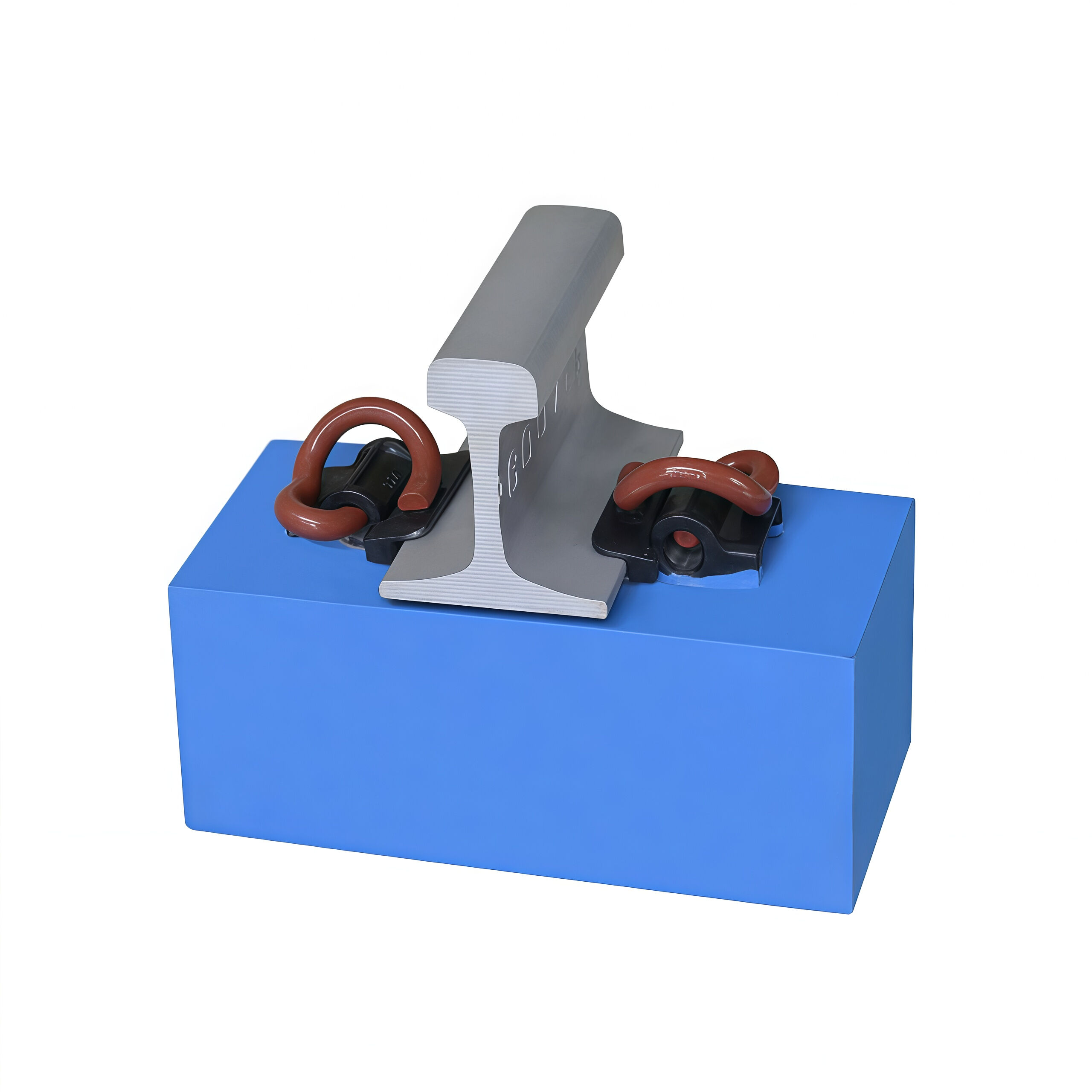
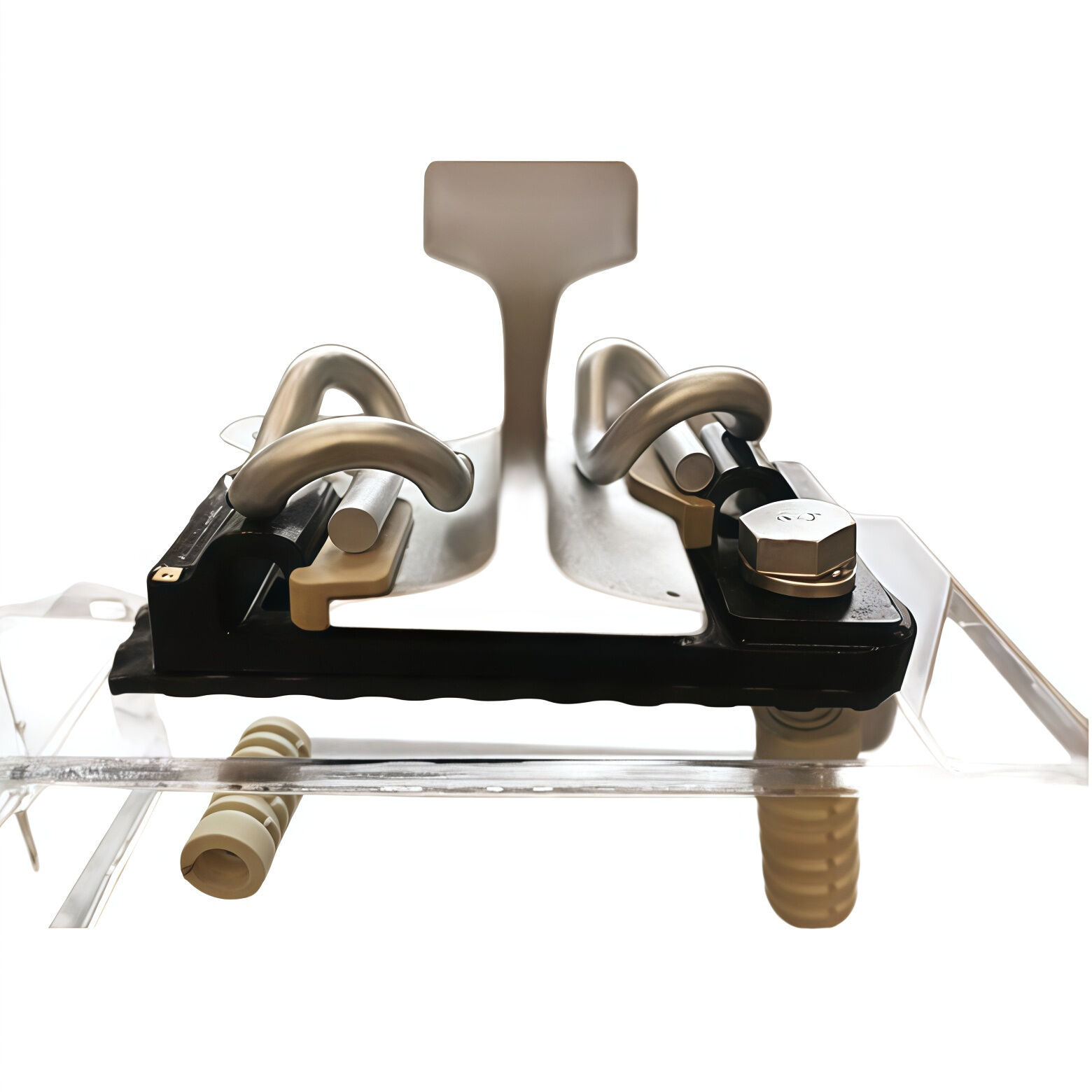
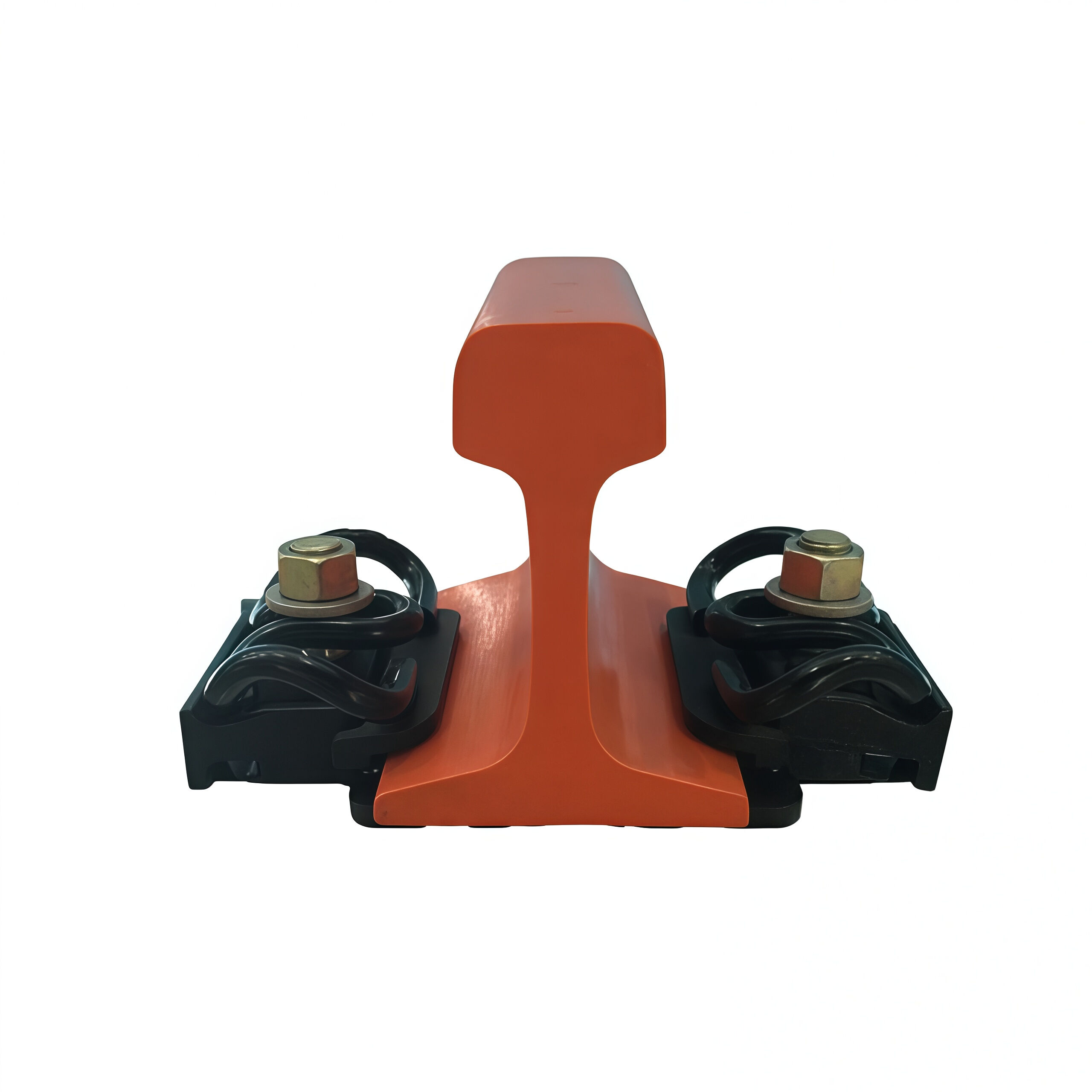
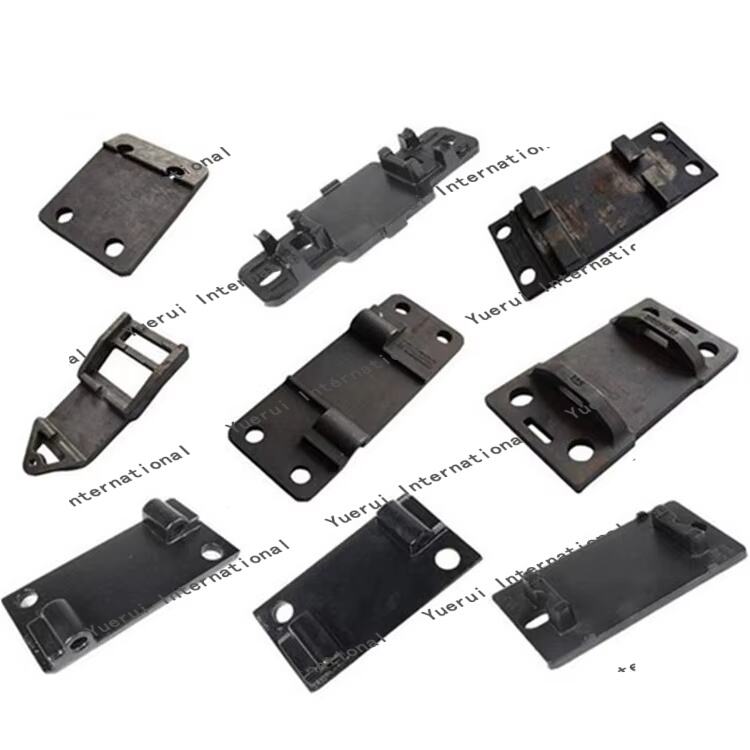
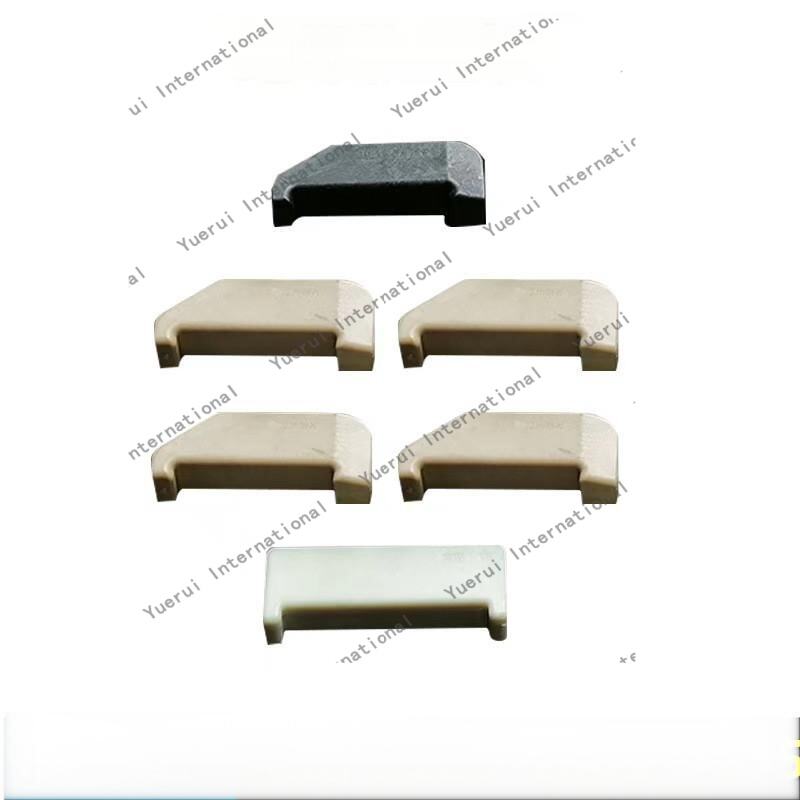
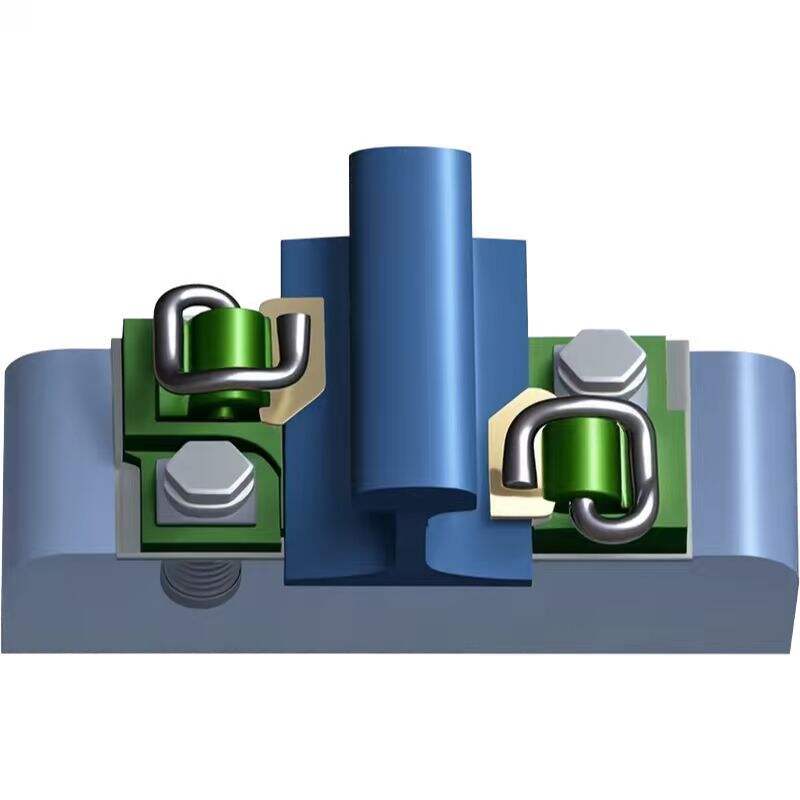
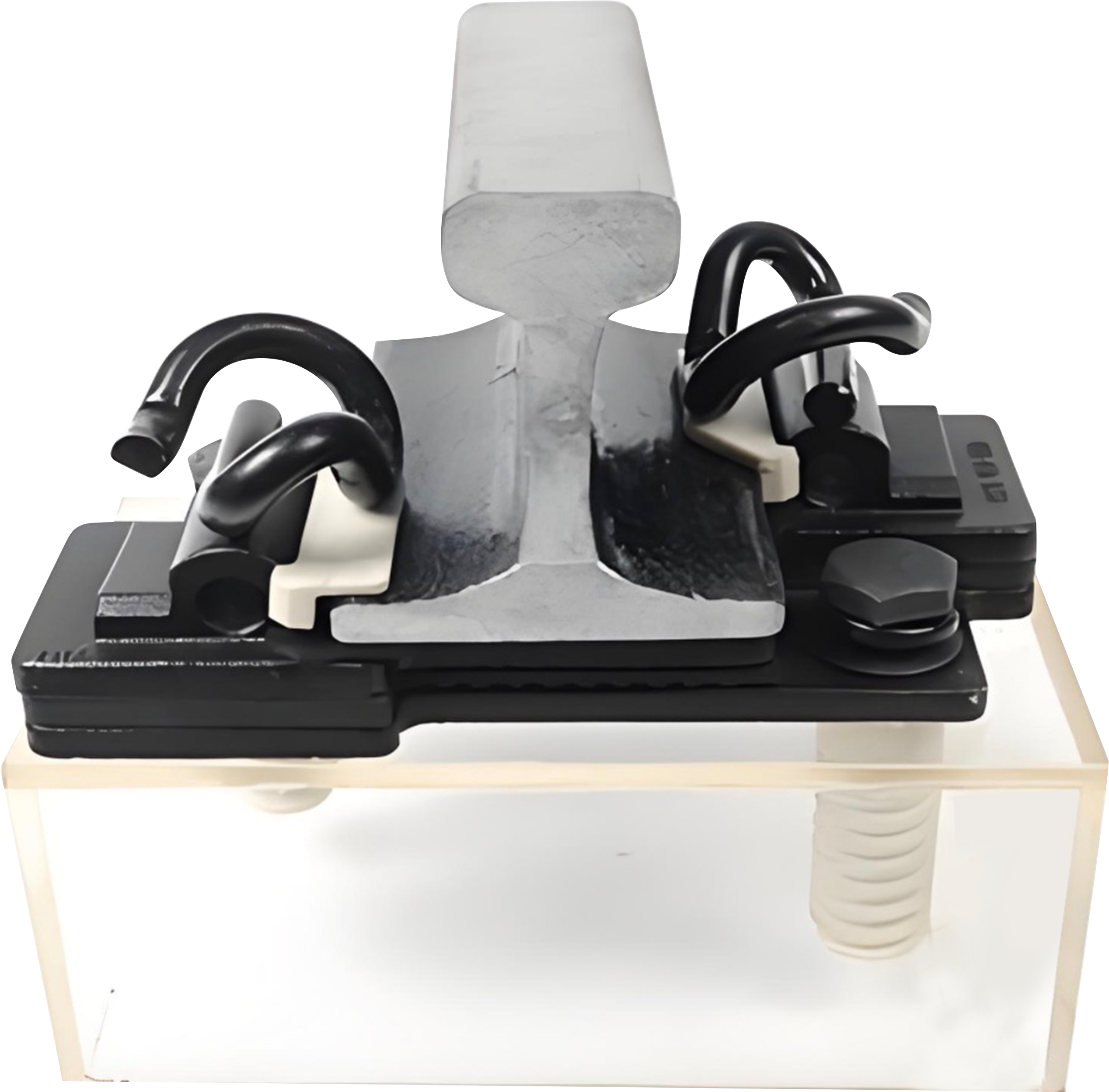
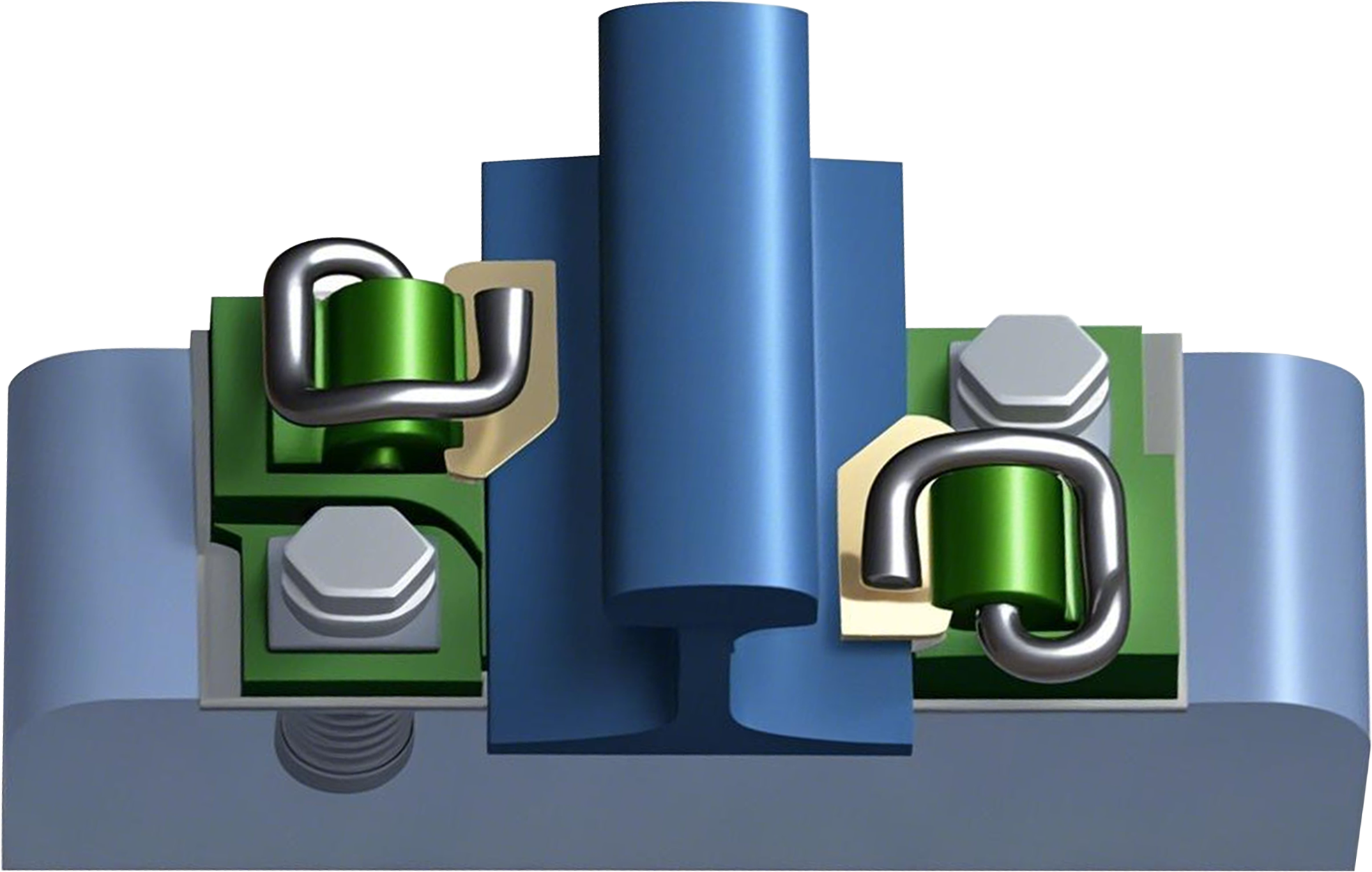
Rail fastening systems serve as the critical connection between railway tracks and their underlying support structures, ensuring safe and efficient train operations across global transportation networks. These sophisticated engineering components secure rails to sleepers or concrete slabs while maintaining precise track geometry and gauge measurements essential for smooth train movement. Modern rail fastening technology incorporates advanced materials and innovative design principles to withstand extreme operational stresses including dynamic loads, thermal expansion, vibrations, and environmental conditions. The primary function of rail fastening involves maintaining stable track positioning while allowing controlled flexibility to accommodate natural rail movement during temperature fluctuations. These systems must resist lateral forces generated by trains navigating curves, vertical loads from heavy freight operations, and longitudinal stresses caused by braking and acceleration forces. Contemporary rail fastening solutions utilize high-strength steel components, advanced polymer insulators, and corrosion-resistant coatings to extend service life and reduce maintenance requirements. The technological features include precise torque specifications, standardized installation procedures, and compatibility with various rail profiles and sleeper types. Applications span passenger rail networks, heavy freight corridors, high-speed railways, urban transit systems, and industrial spur lines. Each application demands specific performance characteristics tailored to operational requirements such as axle loads, train speeds, traffic density, and environmental exposure. Rail fastening systems incorporate noise reduction technologies through resilient elements that minimize vibration transmission to surrounding structures. The installation process requires specialized tools and trained personnel to achieve proper clamping forces and electrical isolation properties essential for signaling systems. Quality control measures ensure consistent performance across millions of fastening points throughout railway infrastructure networks worldwide.

New Products

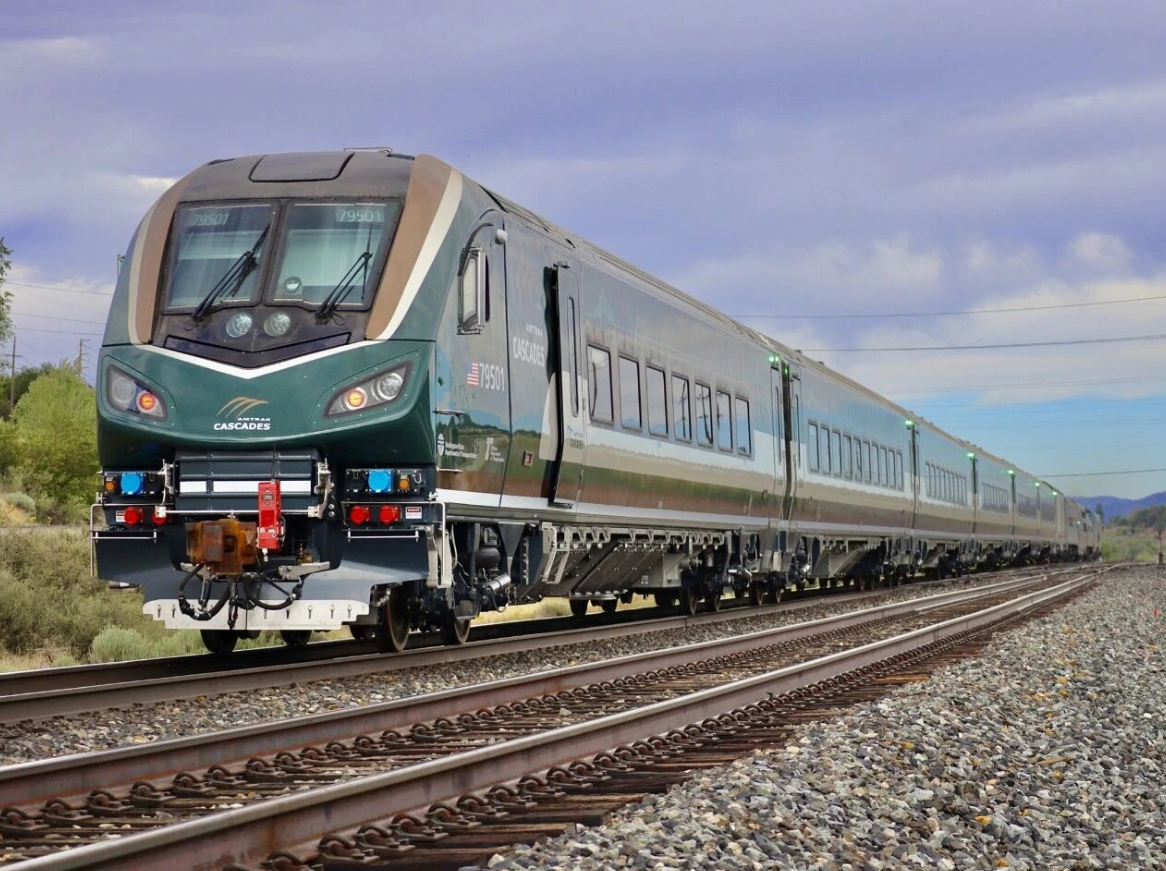
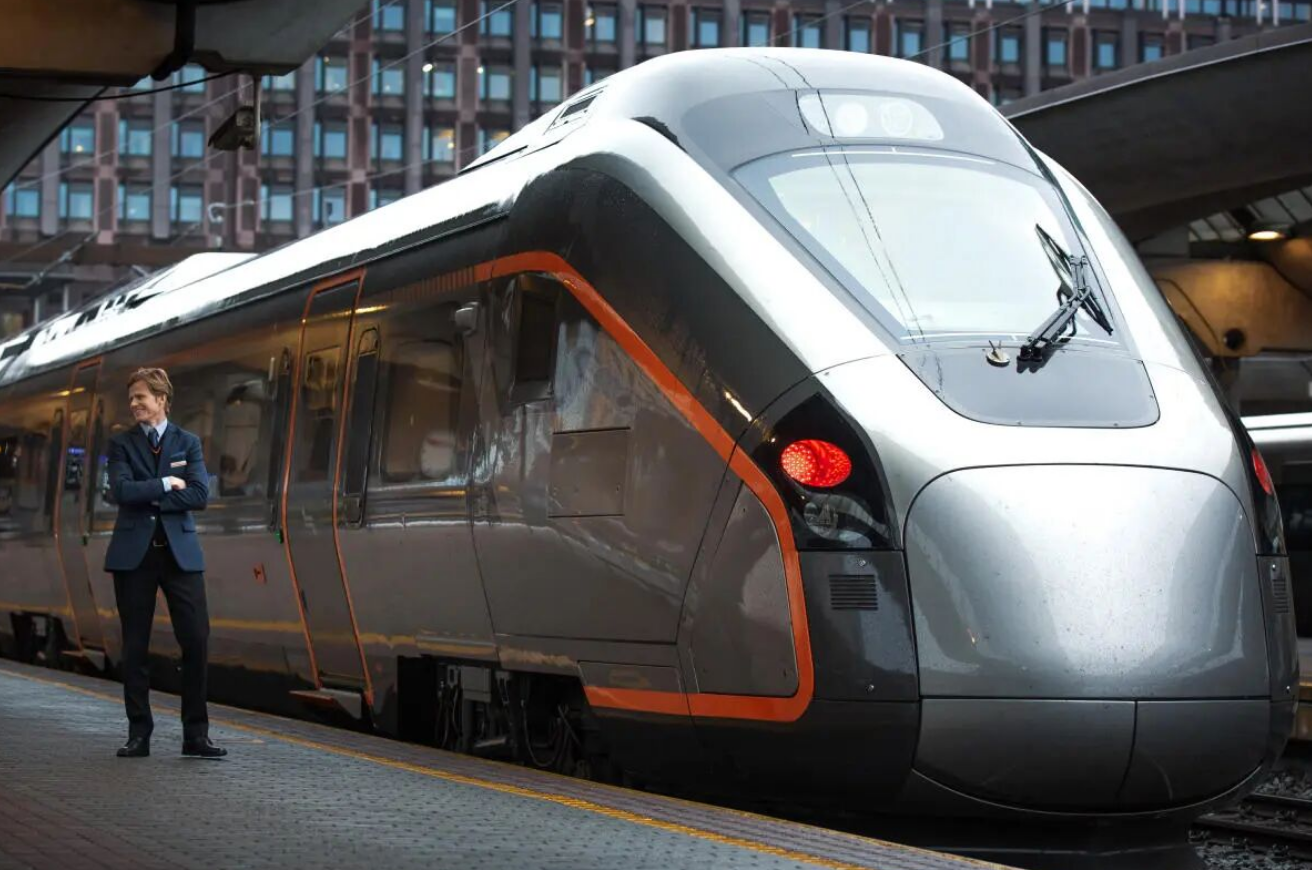
Rail fastening systems deliver exceptional reliability through their robust construction and proven performance record in demanding railway environments worldwide. These components provide superior clamping force distribution that maintains consistent rail positioning under heavy traffic loads while preventing rail creep and gauge widening issues common in traditional fastening methods. The advanced engineering design incorporates fatigue-resistant materials that withstand millions of load cycles without compromising structural integrity or safety performance. Modern rail fastening offers significant cost savings through reduced maintenance requirements and extended service intervals compared to conventional alternatives. The standardized installation procedures minimize labor costs and construction time while ensuring consistent quality across entire railway projects. These systems feature excellent corrosion resistance through specialized coatings and material selection that protect against harsh environmental conditions including salt exposure, chemical contamination, and extreme weather variations. The innovative design allows for rapid installation and replacement procedures that reduce track downtime and operational disruptions during maintenance activities. Rail fastening provides outstanding electrical isolation properties essential for modern signaling and train detection systems while maintaining reliable ground connections where required. The flexible mounting system accommodates thermal expansion and contraction of rails without generating excessive stresses that could lead to track buckling or component failure. These fastening solutions offer superior vibration damping characteristics that reduce noise transmission to surrounding communities and extend the service life of adjacent infrastructure components. The compatibility with various rail profiles and sleeper types provides flexibility for different railway applications while maintaining consistent performance standards. Quality manufacturing processes ensure dimensional accuracy and material consistency that guarantee reliable field performance throughout the design service life. The proven track record in high-speed railways demonstrates the capability to handle extreme dynamic loads and maintain precise track geometry at operating speeds exceeding 300 kilometers per hour. Environmental benefits include recyclable materials and sustainable manufacturing processes that support green transportation initiatives.

Practical Tips

How Do Baseplates Improve Stability and Safety in Railway Construction?

18

Dec

How Do Baseplates Improve Stability and Safety in Railway Construction?

Railway infrastructure forms the backbone of modern transportation systems, where every component plays a crucial role in ensuring safe and efficient operations. Among these essential components, railway baseplates serve as fundamental elements that ...
View More
How Do Gauge Blocks Ensure Precision in Railway Track Construction?

05

Jan

How Do Gauge Blocks Ensure Precision in Railway Track Construction?

Railway track construction demands exceptional precision to ensure safe and efficient train operations. The accuracy of track gauge measurements directly impacts train stability, wheel wear, and overall system safety. Among the essential tools used i...
View More
What materials are best for corrosion-resistant track pins in railways?

20

Apr

What materials are best for corrosion-resistant track pins in railways?

Railway infrastructure faces constant exposure to harsh environmental conditions, making material selection critical for long-term performance and safety. Track pins, essential components that secure rails to railroad ties, must withstand not only me...
View More
How to maintain correct track gauge in high-speed rail lines?

20

Apr

How to maintain correct track gauge in high-speed rail lines?

Maintaining correct track gauge is the cornerstone of safe and efficient high-speed rail operations, where even millimeter deviations can trigger catastrophic derailments at operational speeds exceeding 300 km/h. The precision required for track gaug...
View More

Get a Free Quote

Our representative will contact you soon.
Email
Name
Company Name
Message
0/1000

rail fastening

Advanced Material Technology and Durability

Advanced Material Technology and Durability

Rail fastening systems incorporate cutting-edge metallurgy and polymer science to deliver unmatched durability in challenging railway environments. The high-strength steel components undergo precision forging and heat treatment processes that optimize grain structure for superior fatigue resistance and impact toughness. Advanced alloy compositions resist stress corrosion cracking while maintaining excellent mechanical properties across wide temperature ranges from arctic conditions to desert heat. The innovative coating systems utilize multi-layer protection strategies including zinc-aluminum alloys, epoxy primers, and polyurethane topcoats that provide decades of corrosion protection without maintenance intervention. Polymer components feature UV-stabilized formulations that resist degradation from solar exposure while maintaining elastic properties essential for vibration isolation and thermal accommodation. The material selection process considers specific railway operating conditions including axle loads, train frequencies, environmental exposure, and maintenance accessibility to ensure optimal performance throughout the design service life. Rigorous testing protocols validate material performance under accelerated aging conditions, cyclic loading scenarios, and extreme environmental exposures that simulate decades of field service in compressed timeframes. The quality assurance programs include statistical process control, non-destructive testing, and traceability systems that ensure consistent material properties and manufacturing quality across all production batches. These advanced materials enable rail fastening systems to maintain critical performance parameters including clamping force retention, electrical resistance values, and dimensional stability throughout their operational lifetime. The continuous research and development efforts focus on next-generation materials that further enhance performance while reducing environmental impact through sustainable sourcing and end-of-life recyclability. Field performance data from installations worldwide validates the superior durability of these advanced material systems under diverse operating conditions and confirms their ability to exceed design life expectations while maintaining safety-critical functions.
Precision Engineering and Installation Efficiency

Precision Engineering and Installation Efficiency

Rail fastening systems demonstrate exceptional precision engineering that ensures consistent installation quality and reliable long-term performance across vast railway networks. The manufacturing processes utilize computer-controlled machining centers and automated quality inspection systems that maintain dimensional tolerances within micrometers while achieving surface finishes optimized for component interaction and wear resistance. The standardized design philosophy incorporates modular components that simplify inventory management and enable rapid field installation using conventional construction equipment and standard hand tools. Installation procedures feature built-in quality control mechanisms including torque indicators, alignment guides, and verification systems that prevent installation errors and ensure proper clamping forces throughout the fastening assembly. The component design facilitates automated installation using specialized track laying equipment that increases productivity while maintaining consistent installation quality across thousands of fastening points per kilometer. Training programs and technical support services ensure installation crews understand proper procedures and have access to expert guidance for challenging installation scenarios or unique project requirements. The precision-manufactured components eliminate the need for field adjustments or custom fitting procedures that can introduce variability and compromise long-term performance reliability. Quality documentation systems track installation parameters and provide verification records that support warranty programs and maintenance planning activities. The efficient installation process reduces construction schedules and minimizes disruption to adjacent railway operations during upgrade or expansion projects. Standardized replacement procedures enable maintenance crews to quickly address individual component failures without specialized tools or extensive track outages. The modular design approach allows selective component replacement based on wear patterns or damage assessment while maintaining system integrity throughout the remaining fastening assembly. Field testing protocols validate installation procedures under various conditions and confirm that proper installation techniques achieve design performance parameters consistently across different project types and environmental conditions.
Enhanced Safety and Performance Optimization

Enhanced Safety and Performance Optimization

Rail fastening systems prioritize safety through comprehensive design validation and rigorous performance testing that ensures reliable operation under all anticipated service conditions. The safety-critical functions include maintaining proper track gauge, preventing rail rollover, resisting lateral and longitudinal forces, and providing consistent wheel-rail contact geometry essential for stable train operation at all authorized speeds. Advanced finite element analysis and dynamic simulation tools optimize component geometry and material distribution to minimize stress concentrations while maximizing load capacity and fatigue life under realistic loading scenarios. The fail-safe design philosophy ensures that component degradation occurs gradually with clear visual indicators rather than sudden catastrophic failure that could compromise train safety. Regular inspection procedures identify wear patterns and provide early warning of components approaching replacement intervals while maintaining adequate safety margins throughout the service life. The performance optimization features include precise spring rates that balance track flexibility with stability requirements while accommodating thermal expansion and dynamic loading effects. Extensive field testing validates safety performance under extreme conditions including emergency braking scenarios, severe weather events, and maximum authorized loads to confirm safety margins exceed regulatory requirements. The quality management systems incorporate multiple inspection points and statistical sampling protocols that ensure manufacturing consistency and detect potential defects before components reach installation sites. Training programs educate maintenance personnel on proper inspection techniques and replacement criteria to maintain optimal safety performance throughout the infrastructure lifecycle. Continuous monitoring systems in critical applications provide real-time feedback on fastening performance and alert maintenance teams to developing issues before they affect operational safety. The proven safety record across millions of installations worldwide demonstrates the effectiveness of these comprehensive safety measures and validates the reliability of rail fastening technology in protecting passengers, freight, and railway personnel.

Get a Free Quote

Our representative will contact you soon.
Email
Name
Company Name
Message
0/1000