Complete Guide to Rail Track Parts: Components, Benefits & Applications

All Categories

parts of a rail track

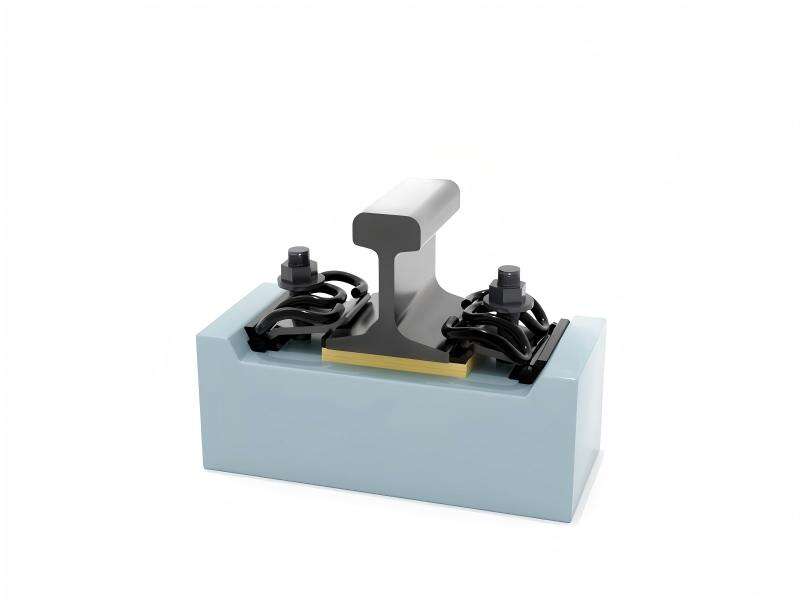
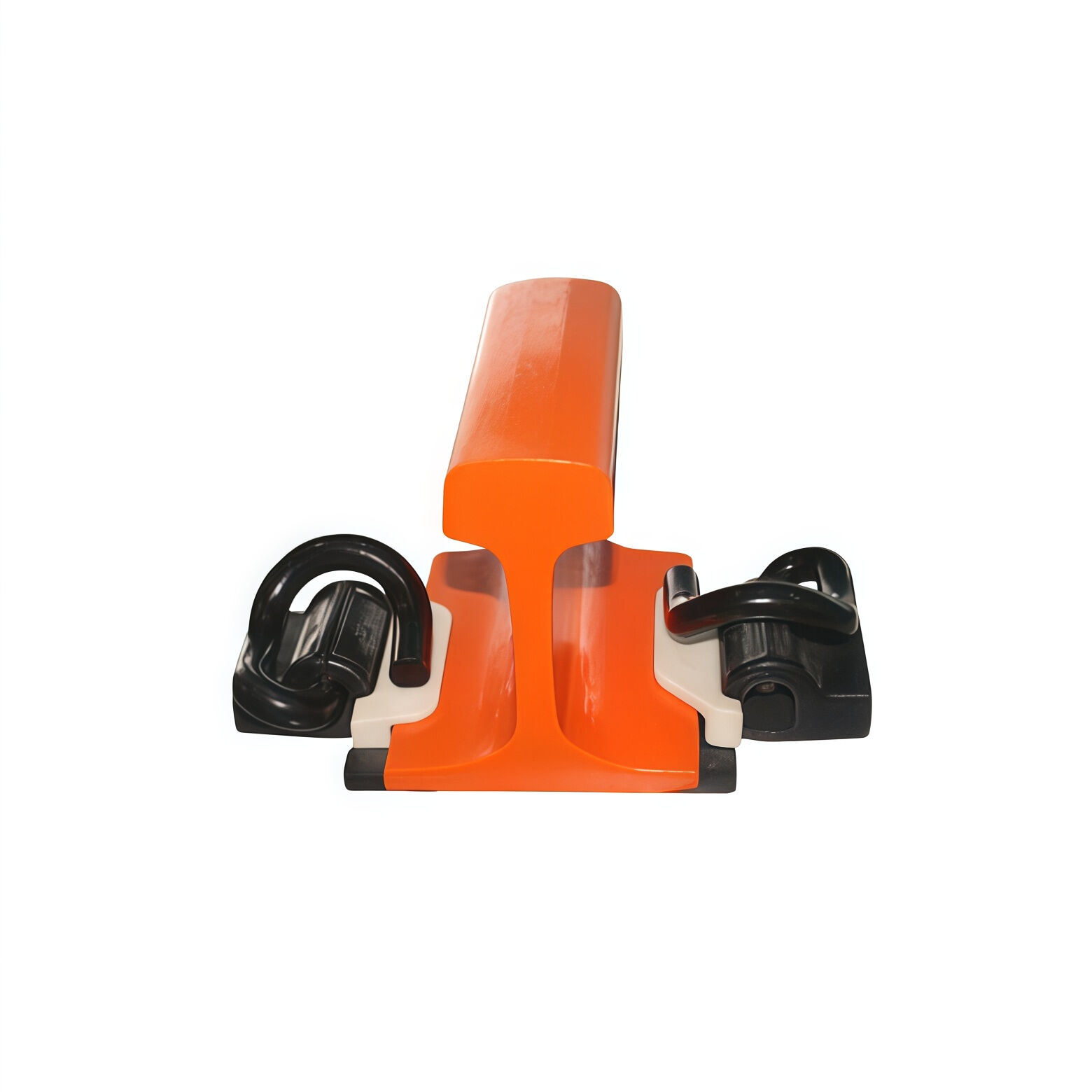
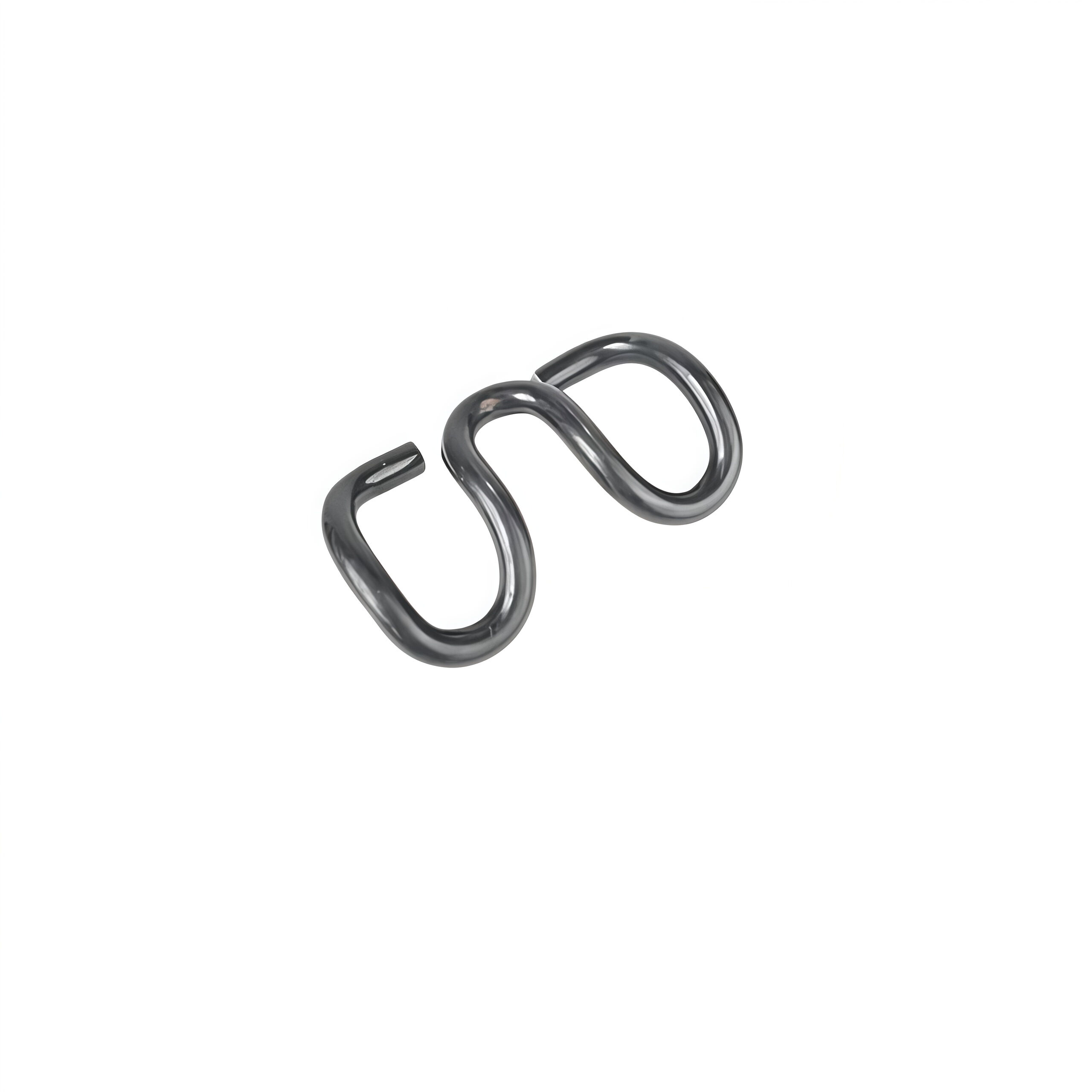
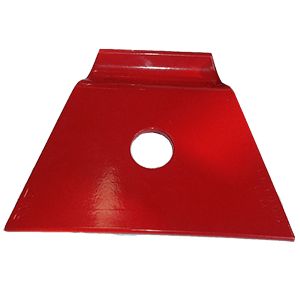
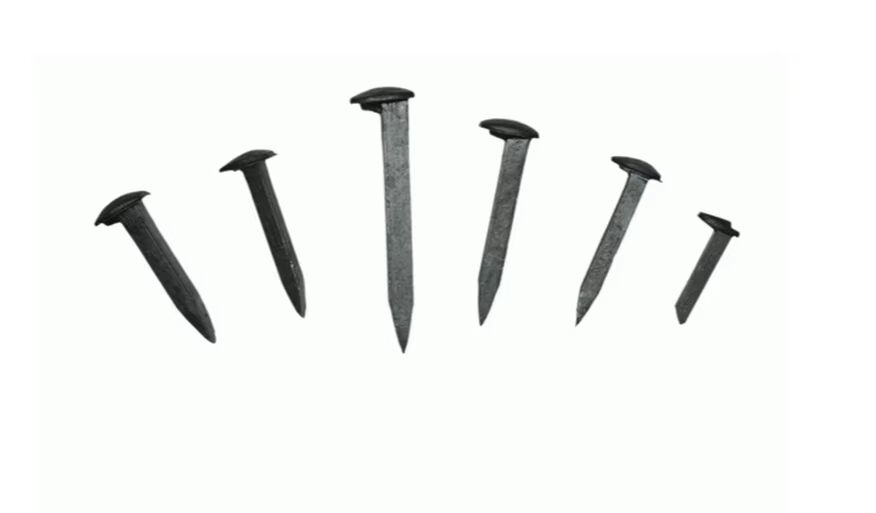
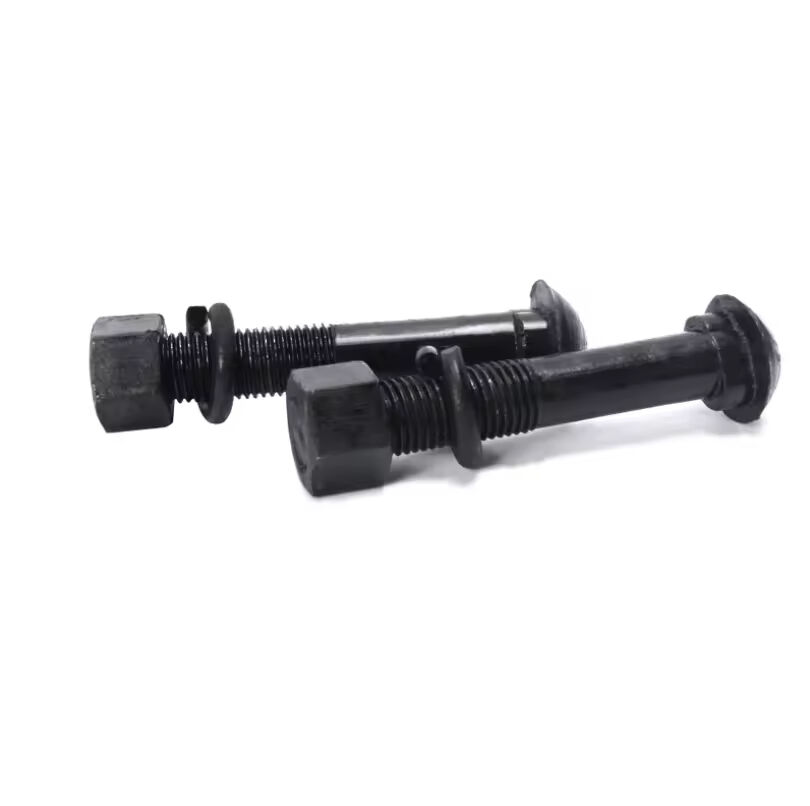
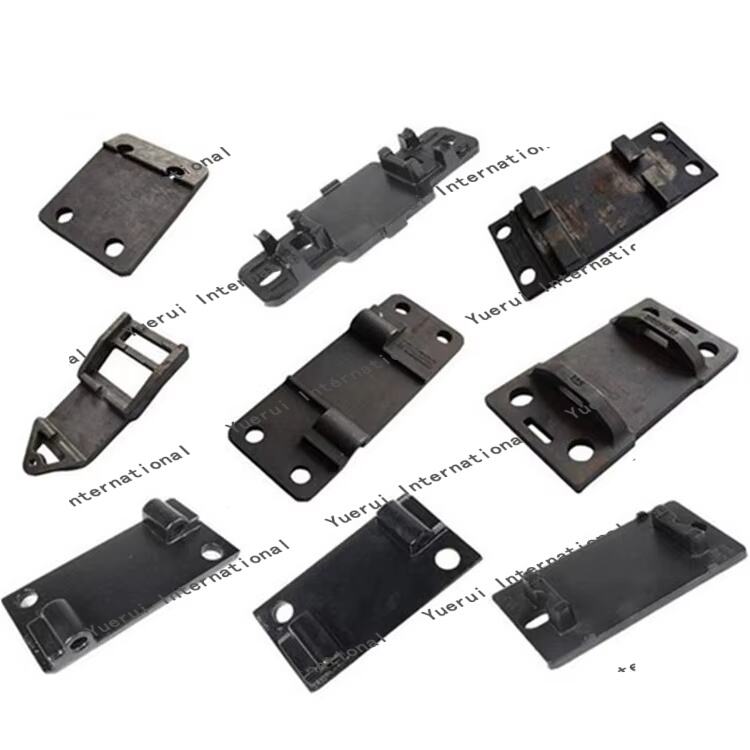
Rail track systems represent the foundation of modern railway transportation, consisting of multiple critical components that work together to ensure safe and efficient train operations. The parts of a rail track include rails, sleepers (also known as ties), ballast, rail fastening systems, fish plates, and various supporting hardware. Each component serves specific functions within the overall track structure. Rails provide the running surface for train wheels, typically manufactured from high-grade steel to withstand enormous loads and frequent use. The standard rail profiles vary globally, with common types including the flat-bottom rail used extensively in North America and the bullhead rail traditionally found in European systems. Sleepers distribute the load from rails across the track foundation, preventing rail settlement and maintaining proper gauge width. These can be constructed from concrete, steel, or treated timber, each offering distinct advantages for different applications. Ballast consists of crushed stone that provides drainage, load distribution, and track stability while allowing for maintenance adjustments. The rail fastening systems secure rails to sleepers using various mechanisms such as spring clips, bolts, or specialized clamps depending on the track type. Fish plates connect individual rail sections, ensuring continuity and strength across joints. Modern parts of a rail track incorporate advanced materials and engineering principles to maximize durability and performance. High-strength steel alloys resist wear and deformation under heavy traffic loads. Concrete sleepers offer superior longevity compared to traditional wooden alternatives, while engineered ballast specifications optimize drainage and stability characteristics. The technological features of contemporary rail track parts include precision manufacturing tolerances, corrosion-resistant coatings, and standardized dimensions for interoperability. Applications span passenger railways, freight corridors, urban transit systems, and industrial sidings, with each requiring specific configurations of track components to meet operational demands and safety standards.

New Product Releases

The parts of a rail track deliver substantial benefits that make railway systems incredibly efficient and cost-effective transportation solutions. Superior load capacity stands as a primary advantage, with modern rail components designed to support massive freight trains exceeding 10,000 tons while maintaining structural integrity over millions of load cycles. This exceptional strength translates directly into reduced transportation costs for heavy cargo that would require multiple truck shipments. Longevity represents another significant benefit, as quality rail track parts can operate effectively for decades with proper maintenance. Steel rails typically last 20-30 years under normal traffic conditions, while concrete sleepers can exceed 50 years of service life, providing excellent return on infrastructure investment. The modular design of rail track components enables efficient maintenance and replacement procedures. Individual sections can be serviced without disrupting entire route operations, minimizing downtime and maintaining consistent service delivery. Weather resistance is built into modern track parts through advanced materials and protective treatments. Rails receive specialized coatings that prevent corrosion in harsh environments, while ballast drainage systems prevent water accumulation that could compromise track stability. Environmental advantages include reduced carbon emissions per ton-mile compared to road transport, supporting sustainable logistics strategies. The precision engineering of rail track parts ensures smooth operation that reduces energy consumption and mechanical wear on rolling stock. Safety features integrated into track components include expansion joints that accommodate thermal movement, preventing dangerous track buckling during temperature extremes. Fish plates and fastening systems undergo rigorous testing to prevent catastrophic failures that could derail trains. Standardization across rail networks allows interoperability between different railway operators, enabling seamless freight and passenger movement across vast distances. Modern manufacturing techniques produce parts of a rail track with consistent quality and dimensional accuracy, reducing installation time and ensuring proper fit between components. The economic impact extends beyond direct transportation benefits, as reliable rail infrastructure attracts industrial development and creates employment opportunities in manufacturing, maintenance, and logistics sectors throughout communities served by railway networks.

Tips And Tricks

How Railroad Dog Spikes Improve Track Stability and Safety

24

Nov

How Railroad Dog Spikes Improve Track Stability and Safety

Railway infrastructure forms the backbone of modern transportation systems, where every component plays a critical role in maintaining operational safety and efficiency. Among these essential components, railroad dog spikes represent one of the most ...
View More
How to Prevent Corrosion and Damage in Rail Spikes Over Time

24

Nov

How to Prevent Corrosion and Damage in Rail Spikes Over Time

Railway infrastructure forms the backbone of modern transportation systems, carrying millions of tons of cargo and passengers across vast distances daily. Among the critical components that ensure track stability and safety, rail spikes play an indis...
View More
How Do Baseplates Improve Stability and Safety in Railway Construction?

18

Dec

How Do Baseplates Improve Stability and Safety in Railway Construction?

Railway infrastructure forms the backbone of modern transportation systems, where every component plays a crucial role in ensuring safe and efficient operations. Among these essential components, railway baseplates serve as fundamental elements that ...
View More
How to maintain correct track gauge in high-speed rail lines?

20

Apr

How to maintain correct track gauge in high-speed rail lines?

Maintaining correct track gauge is the cornerstone of safe and efficient high-speed rail operations, where even millimeter deviations can trigger catastrophic derailments at operational speeds exceeding 300 km/h. The precision required for track gaug...
View More

Get a Free Quote

Our representative will contact you soon.
Email
Name
Company Name
Message
0/1000

parts of a rail track

Advanced Steel Rail Engineering for Maximum Durability

Advanced Steel Rail Engineering for Maximum Durability

The steel rails that form the core of any railway system represent decades of metallurgical advancement and precision engineering designed to withstand the most demanding operational conditions. Modern parts of a rail track utilize high-carbon steel alloys that undergo specialized heat treatment processes to achieve optimal hardness and wear resistance properties. The manufacturing process involves continuous casting techniques that eliminate internal defects and ensure consistent material properties throughout each rail section. Advanced rolling mills shape the steel into precise profiles that optimize contact with train wheels while distributing loads efficiently across the entire track structure. The head of each rail receives particular attention during manufacturing, as this surface bears the constant friction and impact from passing trains. Specialized hardening processes create a wear-resistant surface layer that can endure millions of wheel passes without significant deterioration. The web section of the rail provides structural strength to resist bending forces generated by heavy locomotives and loaded freight cars. The foot of the rail features carefully engineered dimensions that ensure secure fastening to sleepers while allowing for thermal expansion and contraction. Quality control measures during production include ultrasonic testing to detect any internal flaws that could lead to service failures. Modern rail profiles incorporate decades of operational experience and computer modeling to optimize stress distribution patterns. The result is parts of a rail track that deliver exceptional service life even under the heaviest traffic conditions. Regular maintenance protocols extend rail life through grinding operations that restore proper wheel-rail contact geometry and remove minor surface defects before they can propagate into larger problems. The investment in premium rail steel pays dividends through reduced replacement costs and improved operational reliability that keeps trains moving safely and efficiently year after year.
Concrete Sleeper Technology for Long-Term Track Stability

Concrete Sleeper Technology for Long-Term Track Stability

Concrete sleepers represent a revolutionary advancement in rail track construction, offering superior performance characteristics compared to traditional wooden alternatives while providing exceptional long-term value for railway operators. The parts of a rail track that include prestressed concrete sleepers utilize high-strength concrete reinforced with steel tendons that create a durable foundation capable of withstanding decades of service without significant deterioration. The manufacturing process involves precise concrete mixing with carefully selected aggregates and specialized additives that enhance durability and weather resistance. Prestressing techniques apply controlled tension to internal steel cables, creating compressive forces that prevent cracking under load and extend service life substantially beyond conventional concrete products. The standardized dimensions and weight of concrete sleepers ensure consistent track geometry that promotes smooth train operation and reduces wheel wear. Unlike wooden sleepers that can decay, warp, or become infested with insects, concrete versions maintain their structural properties indefinitely when properly manufactured and installed. The thermal mass of concrete sleepers provides stability during temperature fluctuations that might otherwise cause track movement or buckling. Special consideration during design ensures proper electrical insulation for signaling systems while maintaining mechanical strength requirements. Installation procedures for concrete sleepers in parts of a rail track systems have been refined to minimize labor requirements while ensuring proper positioning and support. The uniform loading characteristics prevent differential settlement that could create track irregularities affecting ride quality and safety. Maintenance requirements are significantly reduced compared to wooden alternatives, as concrete sleepers do not require chemical treatments, replacement due to decay, or frequent adjustments. The environmental benefits include elimination of toxic preservatives required for wooden sleepers and reduced harvesting pressure on forests. Modern concrete sleeper designs incorporate lessons learned from decades of field experience, resulting in optimized shapes that provide maximum support while minimizing material usage and weight.
Precision Ballast Systems for Optimal Track Performance

Precision Ballast Systems for Optimal Track Performance

The ballast layer beneath railway tracks serves as a critical component that directly impacts the safety, stability, and longevity of the entire rail system, making proper ballast specification and maintenance essential for optimal railway performance. Quality ballast consists of carefully graded crushed stone that meets strict specifications for size distribution, hardness, and geometric properties to ensure consistent performance under varying load and weather conditions. The parts of a rail track that include properly engineered ballast systems provide essential drainage capabilities that prevent water accumulation around track components, which could lead to settlement, frost damage, or reduced structural integrity during freeze-thaw cycles. The angular shape of individual ballast particles creates mechanical interlocking that distributes loads effectively while allowing controlled movement during track adjustments and maintenance operations. Proper gradation ensures adequate void spaces for drainage while maintaining sufficient contact between particles to transfer loads safely to the underlying subgrade. The selection of appropriate ballast materials requires consideration of local geology, climate conditions, and traffic patterns to optimize long-term performance. Granite, basalt, and other igneous rocks provide excellent durability and resistance to weathering that extends service life and reduces maintenance requirements. The installation depth and compaction of ballast layers must be carefully controlled to achieve proper support characteristics while allowing for future maintenance activities such as track lifting, alignment corrections, and component replacement. Modern ballast specifications include requirements for cleanliness that prevent contamination from fine particles that could impede drainage or create pumping conditions under dynamic loading. The economic benefits of quality ballast systems extend throughout the operational life of railway infrastructure through reduced maintenance costs, improved ride quality, and extended component life. Regular ballast maintenance including cleaning, addition of new material, and proper compaction ensures continued performance and prevents costly track geometry problems. The parts of a rail track systems that incorporate properly designed and maintained ballast provide the stable foundation necessary for safe, efficient railway operations that serve communities and industries reliably for decades.

Get a Free Quote

Our representative will contact you soon.
Email
Name
Company Name
Message
0/1000